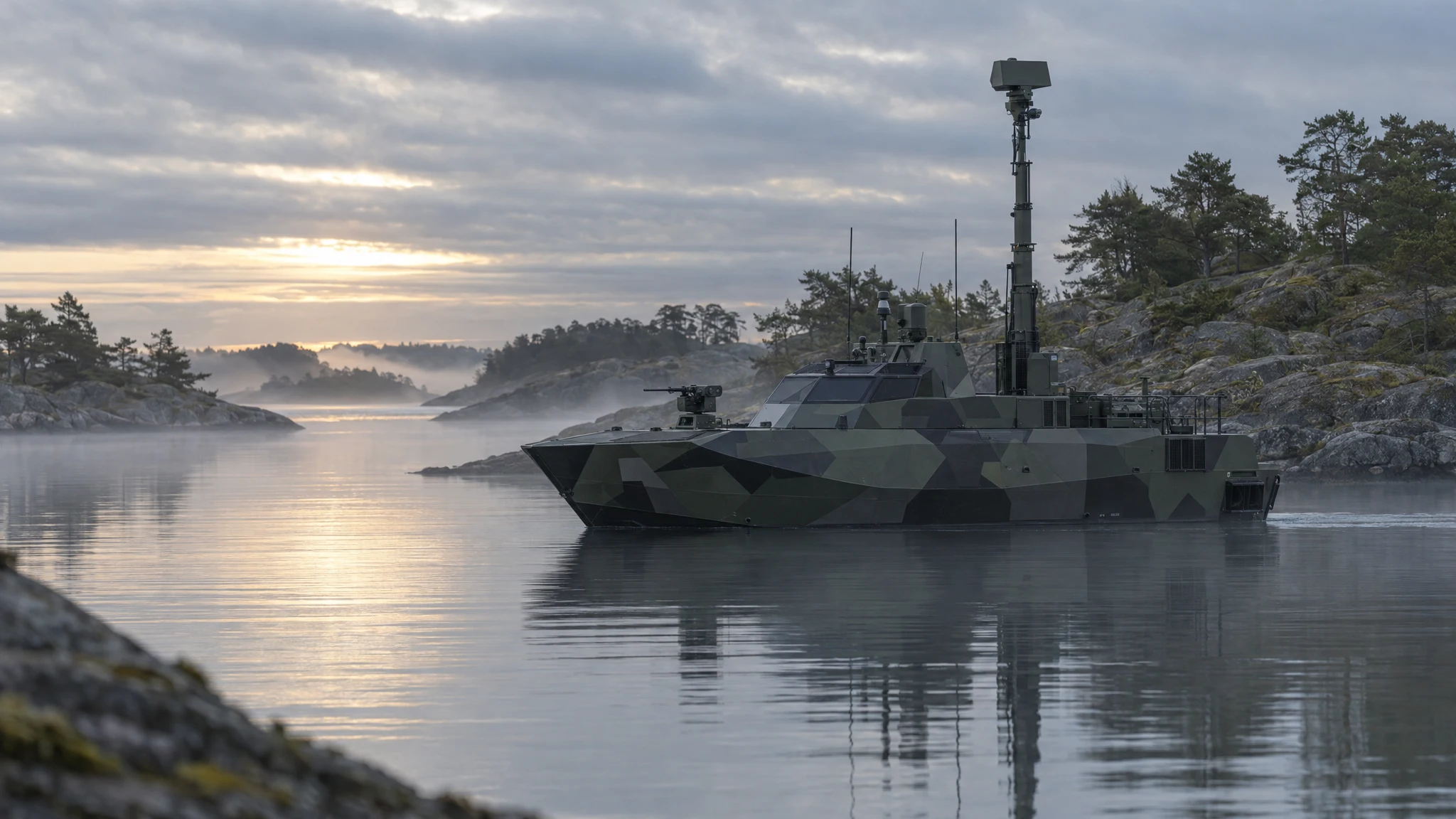
Saab's optionally crewed CB90 CX adds radar, missiles and anti-drone guns to a proven hull, signaling how Sweden and others plan to fight in crowded littorals.
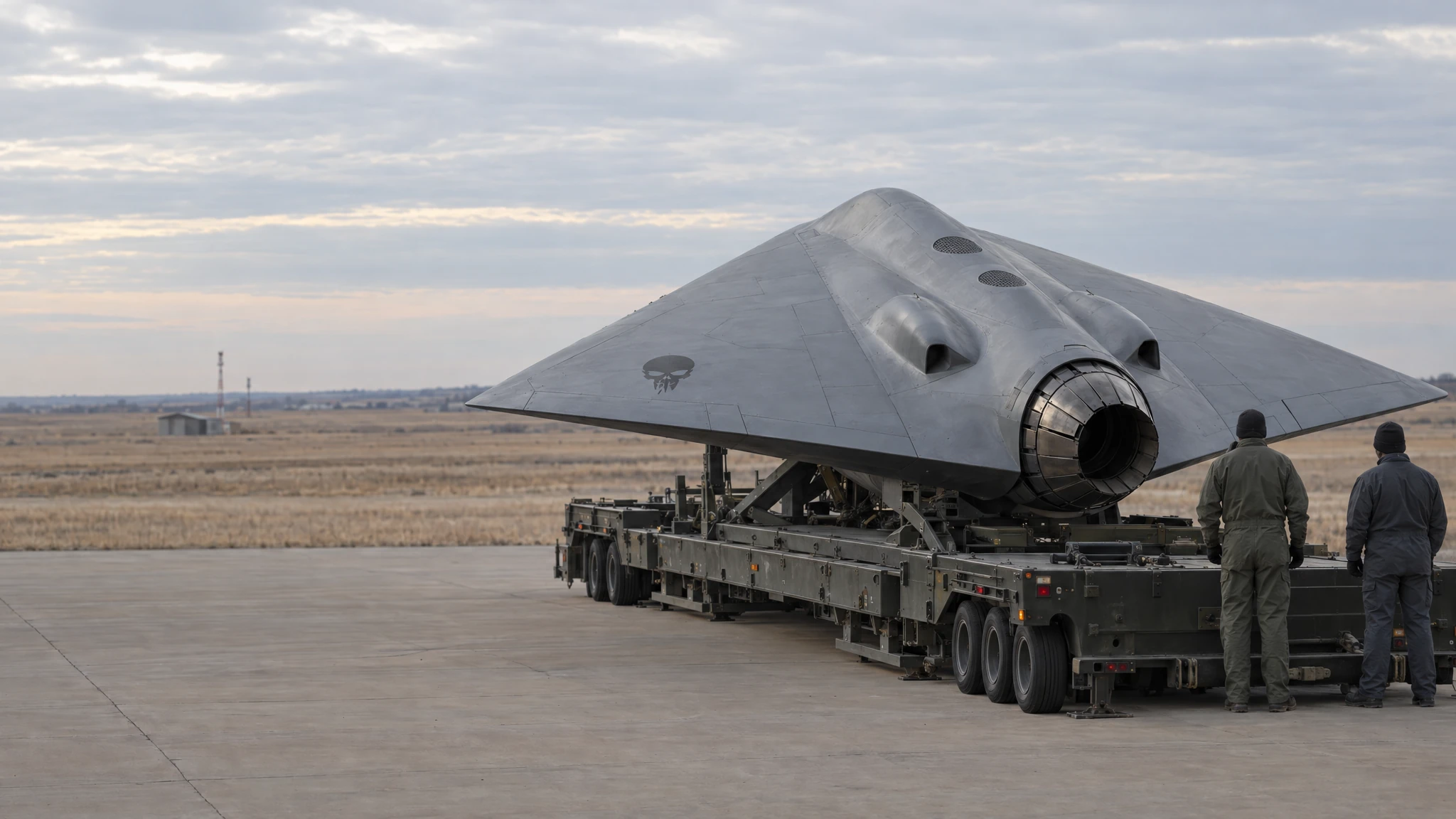
Shield AI unveiled its full-scale X-BAT 001 prototype, a tail-sitting stealth jet drone backed by $200M in Navy funding. Can it break free of the runway by 2029?
As NATO struggles to supply Kyiv from afar, giants like Rheinmetall and BAE Systems are localizing production inside Ukraine. We analyze how these subterranean facilities are revolutionizing logistics and establishing a robust indigenous defense sector immune to Western political gridlock.
As Moscow's defense industry prioritizes the Ukraine war and fails to deliver crucial upgrades, New Delhi is aggressively pivoting to Western military hardware. We analyze this historic geopolitical rupture and how the collapse of Russian arms exports is shifting the Indo-Pacific balance.
Bypassing Western missile restrictions, Kyiv has unleashed a massive wave of fully autonomous, AI-guided drones against Russia's deep-rear energy infrastructure. We analyze how this indigenous strike campaign is devastating Moscow's fuel production and rewriting modern strategic warfare.
As the war enters its fifth year, Russia faces a new, unbreakable blockade: demographics. We analyze how a catastrophic labor deficit of 4.8 million workers is crippling defense production lines, forcing the Kremlin to cannibalize its civilian economy to keep tanks rolling.
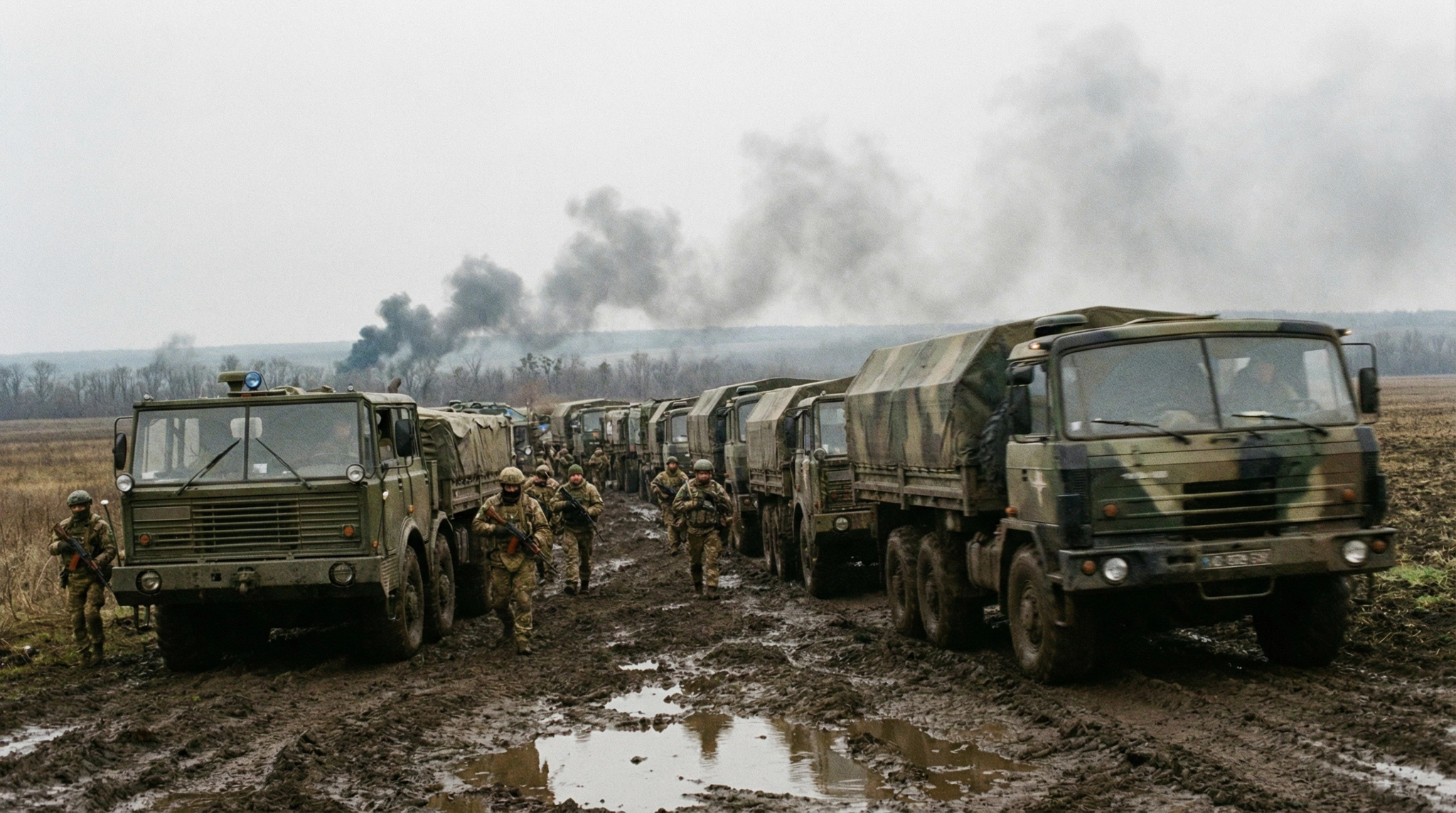
As the war in Ukraine proves the primacy of logistics, the legendary Czech manufacturer Tatra is reshaping NATO mobility. We analyze how its unique chassis design has become the platform of choice for Western artillery and heavy transport.
A comparative analysis of Europe's top 8x8 armored vehicles: Finland's Patria AMV XP and Germany's GTK Boxer. We examine the technical trade-offs, industrial rivalries, and strategic choices defining NATO's future land mobility.
Beyond simple arms sales, Russia is building a deeply integrated military-industrial complex with Iran and North Korea. This analysis explores the standardization of weaponry, technology transfers, and the long-term threat of this authoritarian 'defense common market' to global non-proliferation regimes.