
The Industrial Vanguard: Moving the Factory to the Frontline
The air raid sirens wail with grim regularity across western Ukraine, a haunting soundtrack to a nation in its fifth year of total war. Yet, deep beneath the surface of an undisclosed industrial park, the rhythmic hum of German-engineered CNC machines continues uninterrupted. Here, in a retrofitted Soviet-era bunker shielded by meters of reinforced concrete and a dedicated ring of Western air defenses, Ukrainian technicians work alongside European engineers to mill 155mm artillery barrels.
This is not a temporary repair depot; it is a fully operational node of the European defense-industrial base, transplanted directly into a war zone.
By May 2026, the strategic paradigm of arming Ukraine has undergone a radical transformation. The model of the war's early years—characterized by frantic political negotiations in Western capitals followed by complex, cross-border logistical trains—has proven unsustainable for a prolonged war of industrial attrition.
Faced with fluctuating political will in Washington and severe production bottlenecks across European arsenals, the West and Kyiv have embraced a bold, high-risk solution: localization. Defense giants such as Germany's Rheinmetall, Britain's BAE Systems, and the Franco-German conglomerate KNDS are no longer just exporting weapons to Ukraine; they are building them there.
This localized industrial mobilization marks a watershed moment in modern geopolitical warfare. It crosses long-standing red lines regarding the presence of Western contractors in active combat theaters and forces Moscow to confront a decentralized, indigenous Ukrainian defense sector that cannot be starved by manipulating Western elections.
The Calculus of Localization: From Donors to Partners
To understand the sheer necessity of this industrial shift, one must examine the logistical crises of 2024 and 2025. During those years, the "donor" model repeatedly pushed the Ukrainian Armed Forces to the brink of collapse.
Partisan gridlock in the United States delayed crucial military assistance packages for months, while European nations, discovering the deep atrophy of their post-Cold War defense sectors, struggled to meet the promised delivery of one million artillery shells.
According to recent assessments by the Royal United Services Institute (RUSI), the cross-border logistical chain was inherently fragile. Transporting heavy armor, such as Leopard 2 tanks and Bradley Infantry Fighting Vehicles, from the Donbas frontlines to repair facilities in Poland or Lithuania resulted in turnaround times of up to three months. In a conflict where operational tempo is dictated by equipment availability, these delays were strategically fatal.
"The realization in late 2024 was stark," notes a senior researcher at the International Institute for Strategic Studies (IISS). "NATO could not continue to treat Ukraine as a distant client state reliant on an umbilical cord of hardware stretching back to Pennsylvania or Bavaria. If Ukraine was to survive a generational conflict with a mobilized Russian state, it needed domestic production capacity integrated directly into the European supply chain."
The solution was spearheaded by corporate defense giants willing to absorb extreme risk in exchange for long-term strategic dominance. Rheinmetall led the charge, finalizing joint ventures with Ukraine's state-owned Ukroboronprom (now Ukrainian Defense Industry) to manufacture Fuchs armored personnel carriers and Lynx infantry fighting vehicles directly on Ukrainian soil.
BAE Systems quickly followed suit, establishing local entities to produce L119 light guns and facilitate deep maintenance of CV90 combat vehicles. By early 2026, these initial repair hubs have evolved into full-scale manufacturing plants, churning out newly minted armor and artillery specifically tailored to the brutal realities of the Eastern front.
Subterranean Fortresses: Manufacturing Under the Missile Threat
The primary hurdle to localizing defense production in Ukraine is glaringly obvious: the omnipresent threat of Russian deep-strike capabilities. Since 2022, Moscow has systematically targeted Ukraine's energy grid, rail junctions, and legacy defense plants.
Building new manufacturing infrastructure under the shadow of Kinzhal and Iskander ballistic missiles requires unprecedented operational security and engineering ingenuity. The resulting infrastructure is a blend of Cold War paranoia and 21st-century technology. The new defense plants are characterized by three distinct protective strategies:
- Subterranean Relocation: Leveraging the vast, deep-underground facilities built during the Soviet era to survive nuclear exchanges, Western firms have moved their most critical manufacturing nodes—such as precision milling and electronics assembly—deep underground. These facilities are virtually impervious to conventional bunker-busting munitions.
- Radical Decentralization: Rather than constructing massive, centralized gigafactories, production lines have been fragmented. Components are manufactured across dozens of unassuming, dispersed locations and only brought together for final assembly at highly secure, rotating sites. If one node is struck, the broader supply chain reroutes and survives.
- Dedicated Air Defense Umbrellas: The most significant plants are shielded by dedicated layers of air and missile defense. Strategic agreements have seen advanced systems like the Patriot PAC-3 MSE and the Eurosam SAMP/T deployed with the specific mandate of protecting industrial hubs, ensuring that the airspace above these facilities is the most heavily defended in Europe.
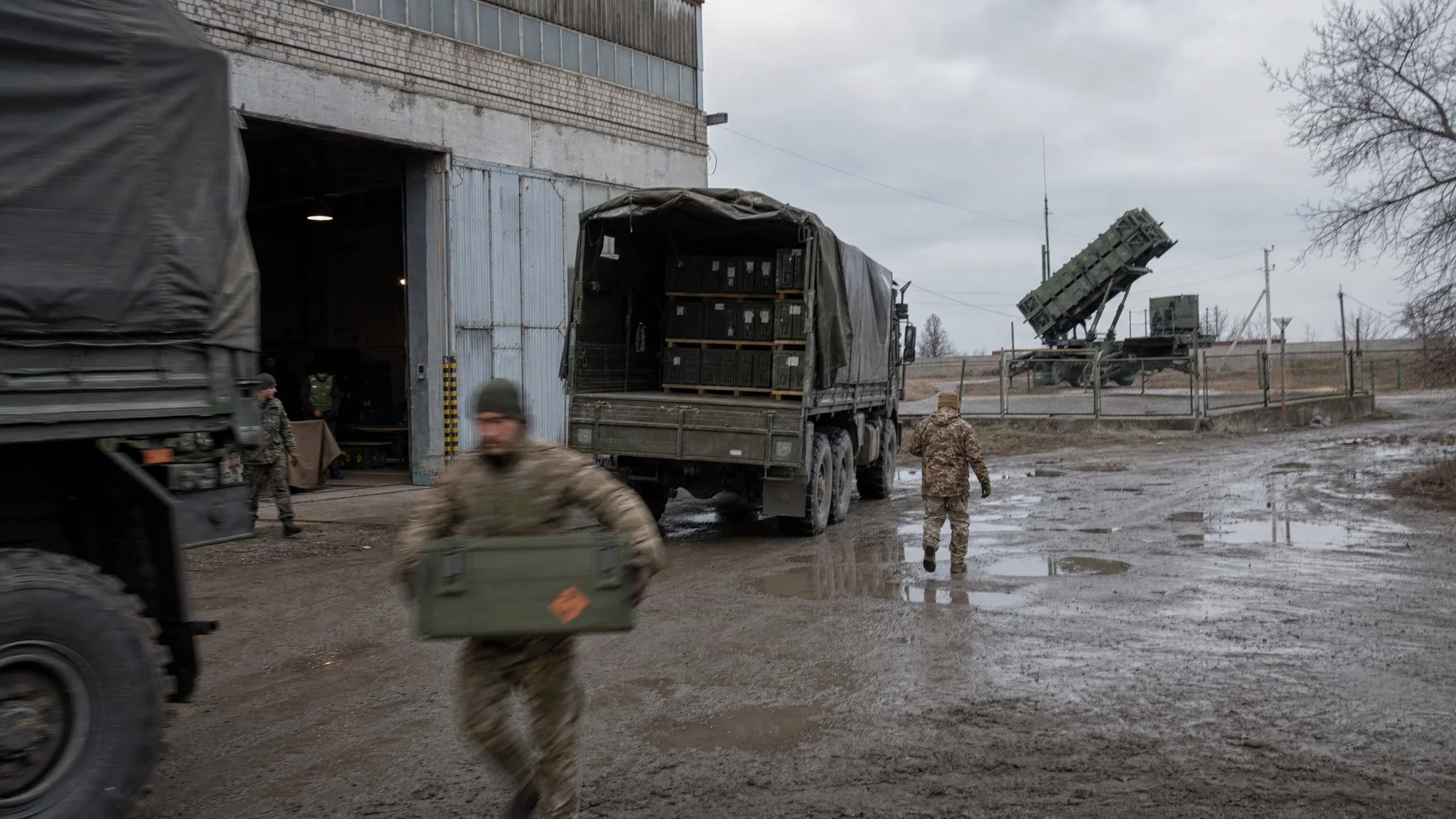
The human element is equally complex. While initial setup required the physical presence of European engineers, the transfer of knowledge has been rapid. Today, these plants are predominantly staffed by Ukrainian workers, significantly reducing the political risk of Western casualties.
However, a cadre of specialized Western technicians remains on-site, operating in a legally ambiguous "gray zone" that blurs the line between civilian contracting and military advising.
Russia's Strategic Countermeasures and the Strike Matrix
Moscow has not been blind to this industrial integration. The Kremlin correctly views the localization of Western arms production as a strategic nightmare. It neutralizes Russia's primary asymmetric advantage: the ability to out-last Western political patience.
Consequently, the Russian General Staff has made these joint ventures a top-tier target for its Aerospace Forces (VKS) and Strategic Rocket Forces. Throughout the winter of 2025 and into early 2026, Russia launched a targeted campaign dubbed by analysts as the "Industrial Interdiction Offensive."
Utilizing intelligence gathered by GRU operatives and satellite surveillance, Moscow directed massive salvos of Shahed-136 loitering munitions, Kalibr cruise missiles, and hypersonic glide vehicles at suspected manufacturing sites in western and central Ukraine.
The results, however, have been decidedly mixed for the Kremlin. Analysts at the Institute for the Study of War (ISW) point out that while Russia has successfully struck several surface-level logistical depots and secondary component warehouses, it has failed to penetrate the core subterranean manufacturing hubs.
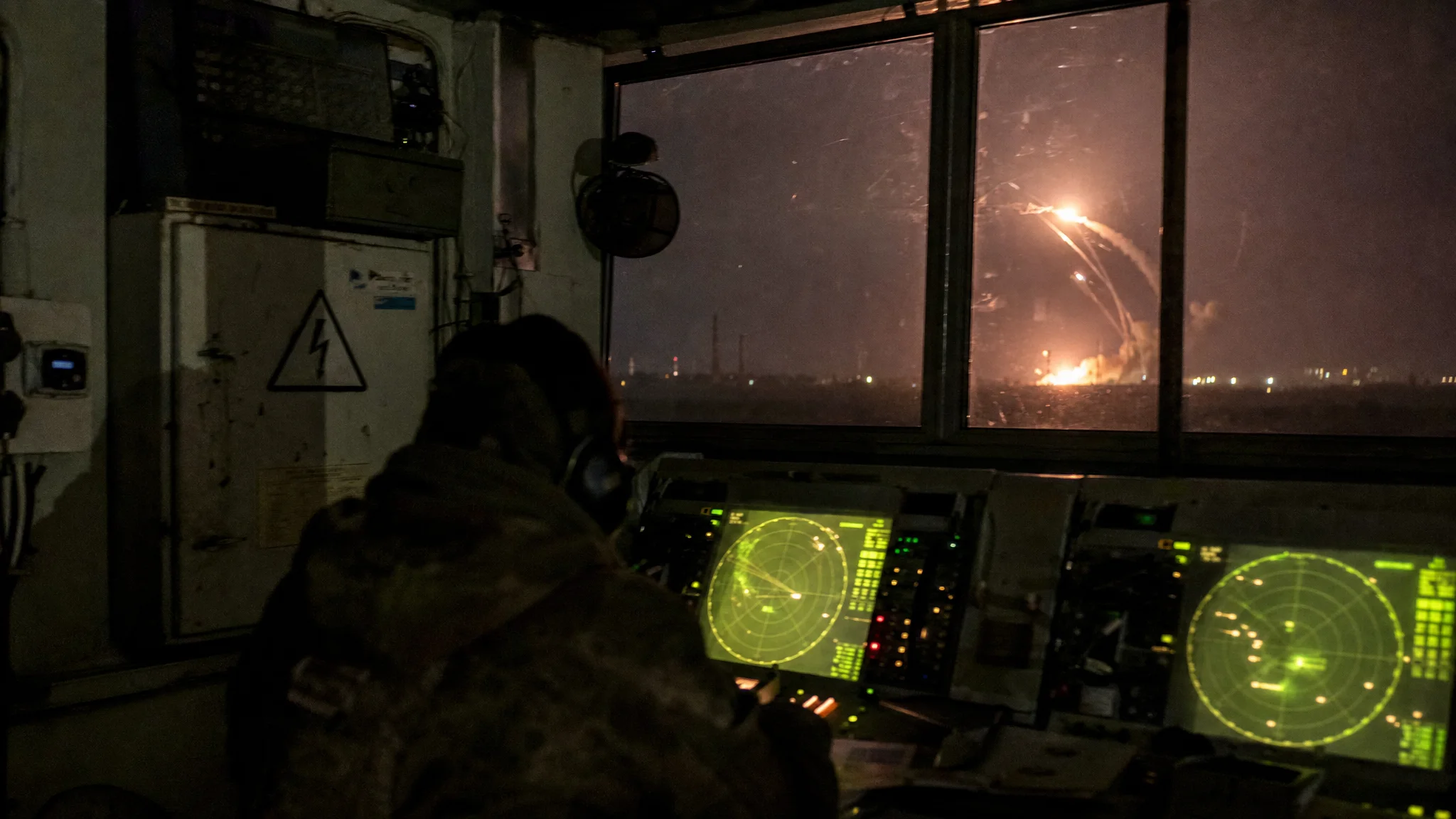
Furthermore, the high consumption rate of advanced ballistic missiles required to penetrate the dedicated air defense rings has proven cost-prohibitive for Moscow, especially as its own domestic production struggles to keep pace with the demands of frontline attrition.
"The Russian strike campaign against Ukraine's new defense-industrial base is yielding diminishing returns," a recent report by the Carnegie Endowment observed. "By dispersing production and moving it underground, Ukraine and its Western partners have imposed a severe cost-imposition strategy on Moscow. Russia is expending multi-million-dollar precision munitions to hit decentralized targets of much lower value, while the primary manufacturing lines continue to operate."
In response to this tactical failure, Moscow has escalated its rhetoric, declaring Western defense executives and contractors as "legitimate military targets." Yet, this aggressive posturing has failed to deter investment.
The defense contracts are underwritten by sovereign guarantees from European governments, shielding the corporations from financial risk and effectively locking the state power of Germany, the UK, and France into the physical defense of Ukrainian industry.
The De Facto Integration: Rewriting European Security
The strategic implications of this industrial localization extend far beyond the immediate tactical benefits on the Donbas front. By embedding their defense-industrial base within Ukraine, European nations are executing a de facto integration of Ukraine into NATO's structural architecture, bypassing the fraught political processes of formal alliance accession.
This creates a deeply entwined geopolitical reality. The weapons being produced in Ukraine are fully NATO-standard, utilizing Western intellectual property, supply chains, and quality control. Ukraine is no longer just a recipient of European security; it is actively becoming its crucible.
The combat data generated by Ukrainian operators is fed instantly back into the manufacturing cycle, allowing firms like Rheinmetall and BAE to iterate and upgrade their platforms at a speed impossible during peacetime.
Furthermore, this dynamic is permanently shifting the center of gravity of European defense. As traditional military powers like Germany and France pour capital into Ukrainian facilities, Ukraine is emerging as the premier hub for heavy weapons manufacturing and combat testing on the continent.
When the war eventually ends, or freezes into a prolonged armistice, Ukraine will not be an economically hollowed-out buffer state; it will possess one of the most capable, battle-tested, and technologically advanced military-industrial complexes in the world.
This integration also serves as Europe's ultimate hedge against American political volatility. As Washington's focus increasingly pivots toward the Indo-Pacific and domestic populism periodically threatens the transatlantic bond, European capitals realize they must possess the sovereign capacity to arm their eastern flank. Building that capacity inside Ukraine—the nation actually fighting the war—is the most efficient allocation of resources.
Conclusion: The Arsenal of Democracy Moves East
The narrative of the Ukraine war is often told through the lens of shifting frontlines, political summits, and drone warfare. Yet, the true deciding factor of this conflict will be determined by industrial capacity.
The decision by Western defense firms to establish physical manufacturing plants inside a nation under total war represents a masterstroke of logistical defiance. By bringing the factory to the frontline, the West is mitigating the catastrophic vulnerabilities of cross-border supply chains and providing Kyiv with the sustainable, indigenous firepower required to hold the line against Russian mass.
Moscow’s inability to sever this new localized industrial artery despite relentless missile barrages exposes the limits of its strategic reach.
Ultimately, the CNC machines humming in the bunkers of western Ukraine are forging more than just artillery shells and armored chassis; they are forging an unbreakable, structural bond between Kyiv and the European security order. The arsenal of democracy has not just been mobilized—it has been relocated, dug in, and permanently integrated into the soil of Eastern Europe.


Reader discussion
No comments yet. Start the discussion.
Comments are closed for this article.