In the labyrinth of Middle Eastern geopolitics, the enduring conflict between Hamas and Israel remains a multifaceted struggle.Amid this intricate web,Iran's covert involvement—often concealed from public view—emerges as a pivotal factor shaping outcomes and alliances in the region.
Historical Context and Current Dynamics
Therelationship between Iran and Hamastraces back decades, rooted deeply in their joint opposition to Israel's existence. This alliance, while seemingly paradoxical given Iran’s predominantly Shia Muslim identity and Hamas’s Sunni foothold, thrives on a shared adversary rather than religious alignment. Over the years, their partnership has evolved from ideological solidarity to pragmatic collaboration.
Iran's Support to Hamas: More than Just Rhetoric
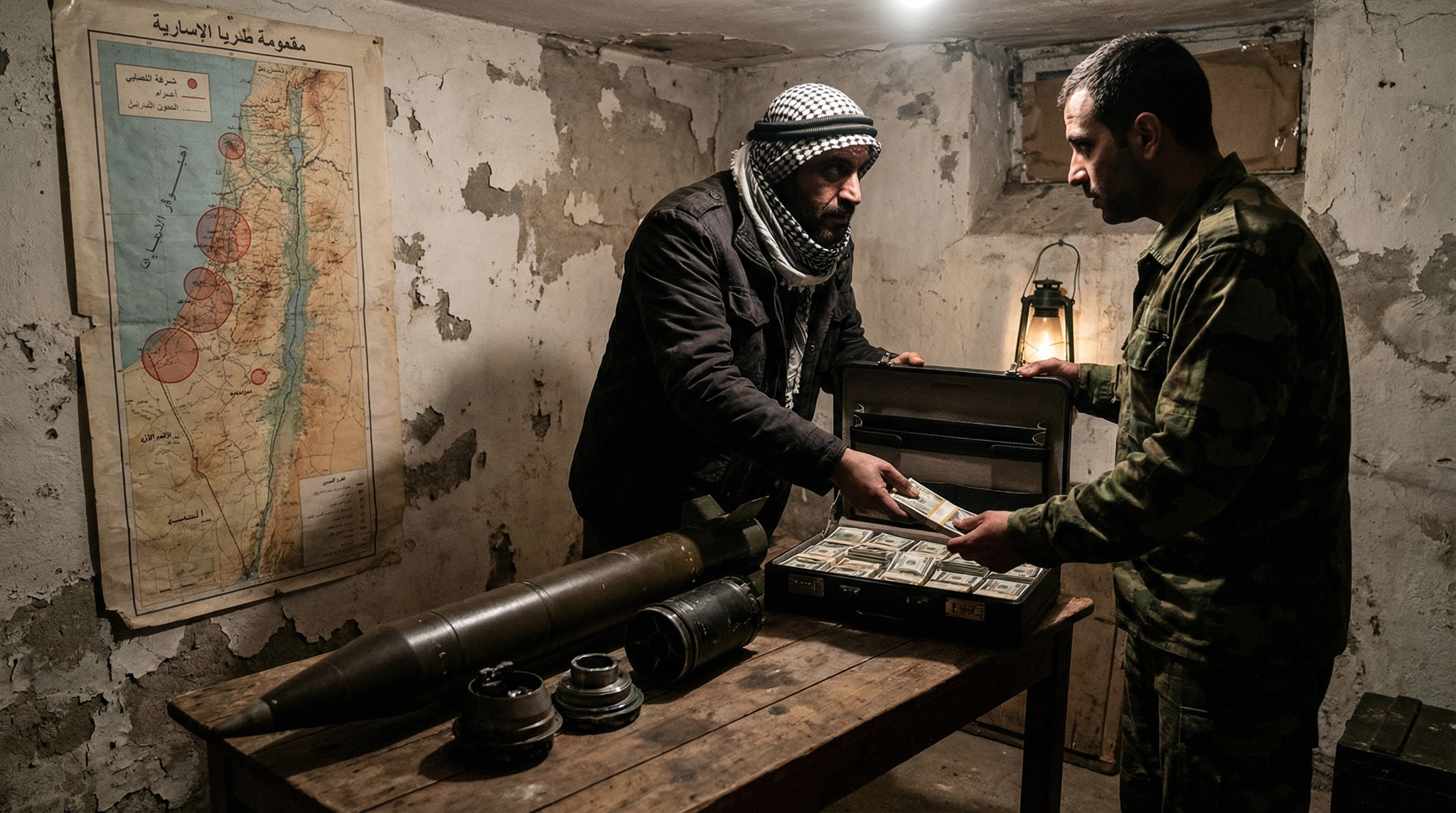
Iran’s backing of Hamasextends well beyond political endorsement. It encompasses substantialfinancial aid, military training, and the transfer of advanced weaponry. Reports indicate deliveries of long-range missiles capable of reaching deep within Israeli territory, dramatically enhancing Hamas’smilitary capabilitiesand tactical options.
Strategic Interests: Why Iran Invests in Hamas
Supporting Hamas aligns closely withIran’s broader strategic ambitionsin the Middle East. By positioning itself as a key actor in the Israeli-Palestinian conflict, Iran elevates its regional influence and gains valuable leverage against rivals, particularly Saudi Arabia and Israel. This approach helps Iran assert dominance and shape regional narratives.
The Proxy Battlefield
Iran’s engagement with Hamas exemplifies aproxy warfare strategythat advances its regional objectives through indirect confrontation. This enables Iran to challenge Israel without entering direct conflict, instead keeping Israeli defense forces occupied through persistent proxy attacks.
Iran’s use of proxy groups like Hamas not only diverts Israel’s resources but also extends Tehran’s reach deep into the geopolitical chessboard of the Middle East.
International Repercussions and Response
Theinternational ramifications of Iran’s involvementare far-reaching. Western and Arab nations have voiced sharp criticism, further isolating Iran on the global stage. Yet, undeterred by censure, Iran perceives its role in the conflict as pivotal to its regional strategy and power projection efforts.
- Western condemnationhas resulted in increased sanctions and diplomatic pressure.
- Arab nations remain divided, some wary of Iran’s growing influence in Palestinian territories.
- Ongoing involvement raises broader security concerns across the region.
Conclusion: The Complex Web of Alliances and Animosity
Iran's role in the Hamas-Israel conflictis a striking example of the layered and often contradictory alliances that define the Middle East. As tension escalates, comprehending Iran’s involvement is crucial for interpreting broader regional shifts and exploring avenues toward peace.
Continued analysis is essential to fully understand the shadowy nature of these alliances and their far-reaching geopolitical implications.