Europe secures its skies with Israel's Arrow 3 system. This analysis details the exo-atmospheric technology that creates a new ballistic shield against Russian threats, reshaping NATO's defense architecture.
Beyond simple arms sales, Russia is building a deeply integrated military-industrial complex with Iran and North Korea. This analysis explores the standardization of weaponry, technology transfers, and the long-term threat of this authoritarian 'defense common market' to global non-proliferation regimes.
While Europe weans itself off Russian gas, it remains dangerously dependent on Rosatom for nuclear fuel and reactor services. This analysis exposes the geopolitical risks of this overlooked energy choke point and the struggle to decouple.
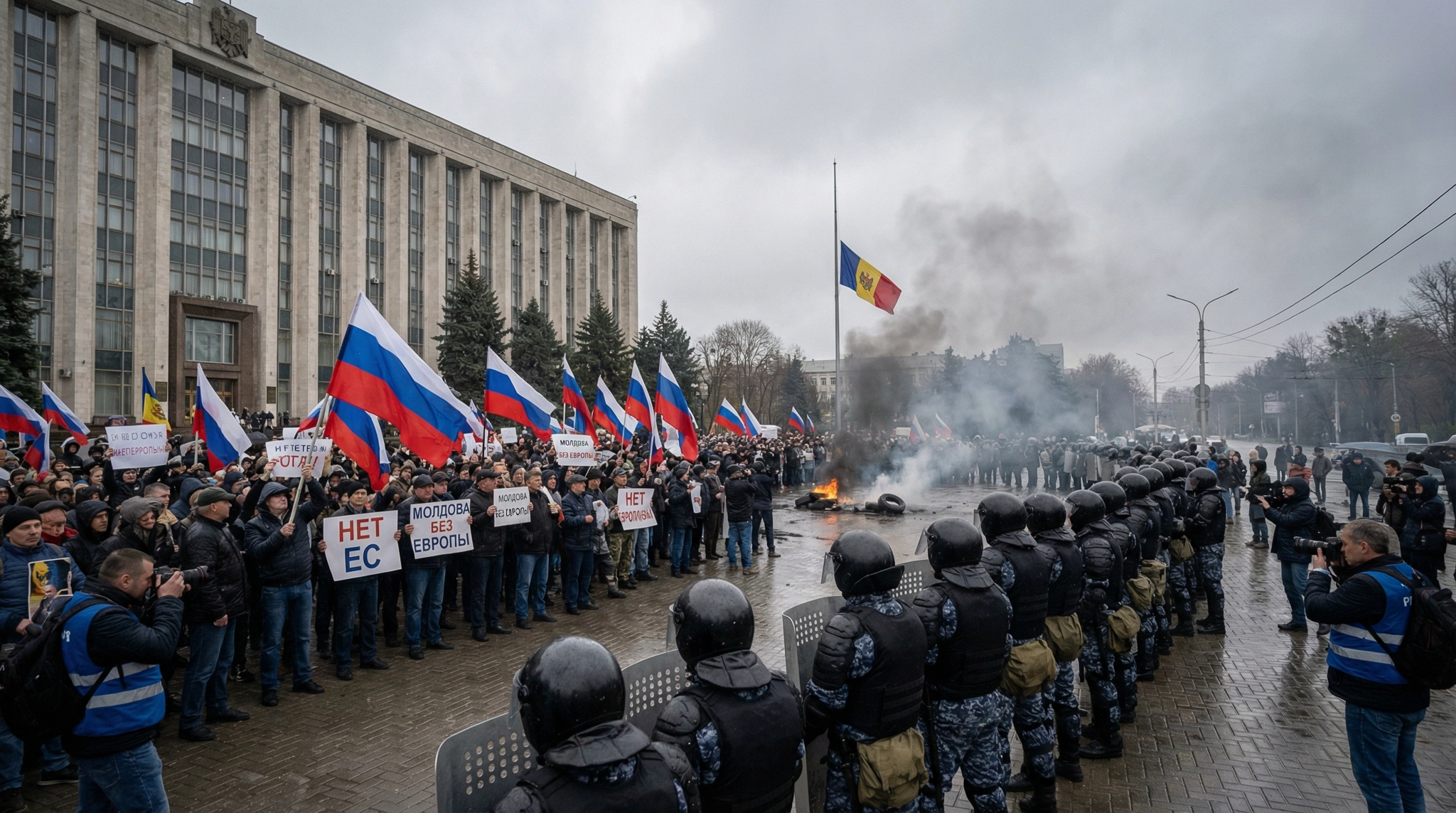
An in‑depth investigation into how Russia is targeting European elections in the 2020s through cyber operations, disinformation, and proxy networks, and what this means for EU cohesion, NATO security, and the future of democratic resilience across the continent.
A deep-dive on how Russia has turned agricultural supply chains — grain exports, fertiliser flows, and Black Sea logistics — into geopolitical tools, using commercial networks, maritime coercion, and shadow routes to shape markets, influence states in Africa and MENA, and blunt sanctions.
Exposes how Moscow uses security contracts, private military firms, and state firms to lock access to African cobalt, lithium, uranium and gold—fuelling military production, sanctions evasion, and new trade corridors through China and Gulf intermediaries.
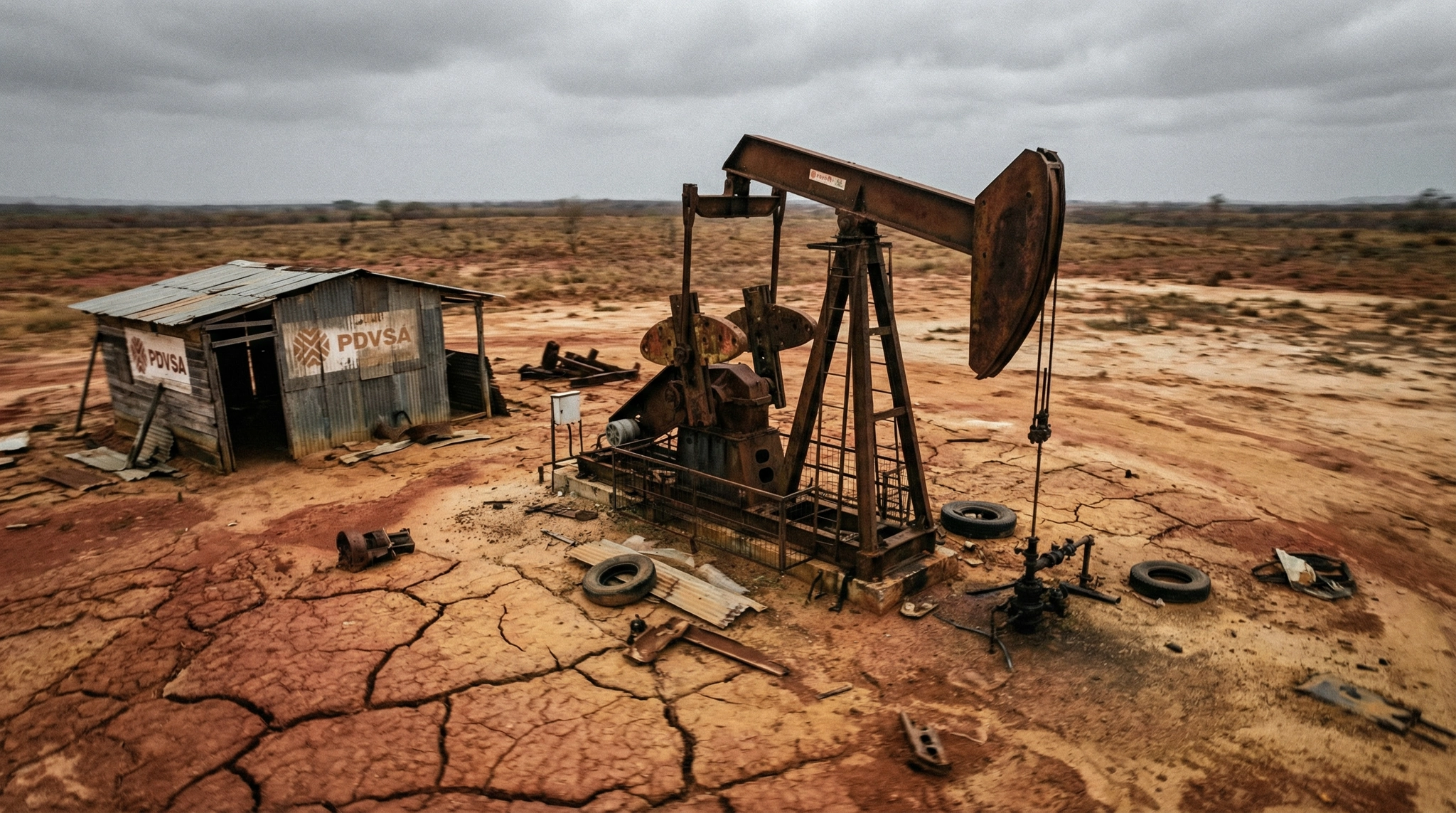
Investigates Moscow's growing footprint in Latin America—military access, port and airfield logistics, energy-for-security ties, and covert financial routes—that create new forward nodes for power projection and sanctions circumvention in the Western Hemisphere.
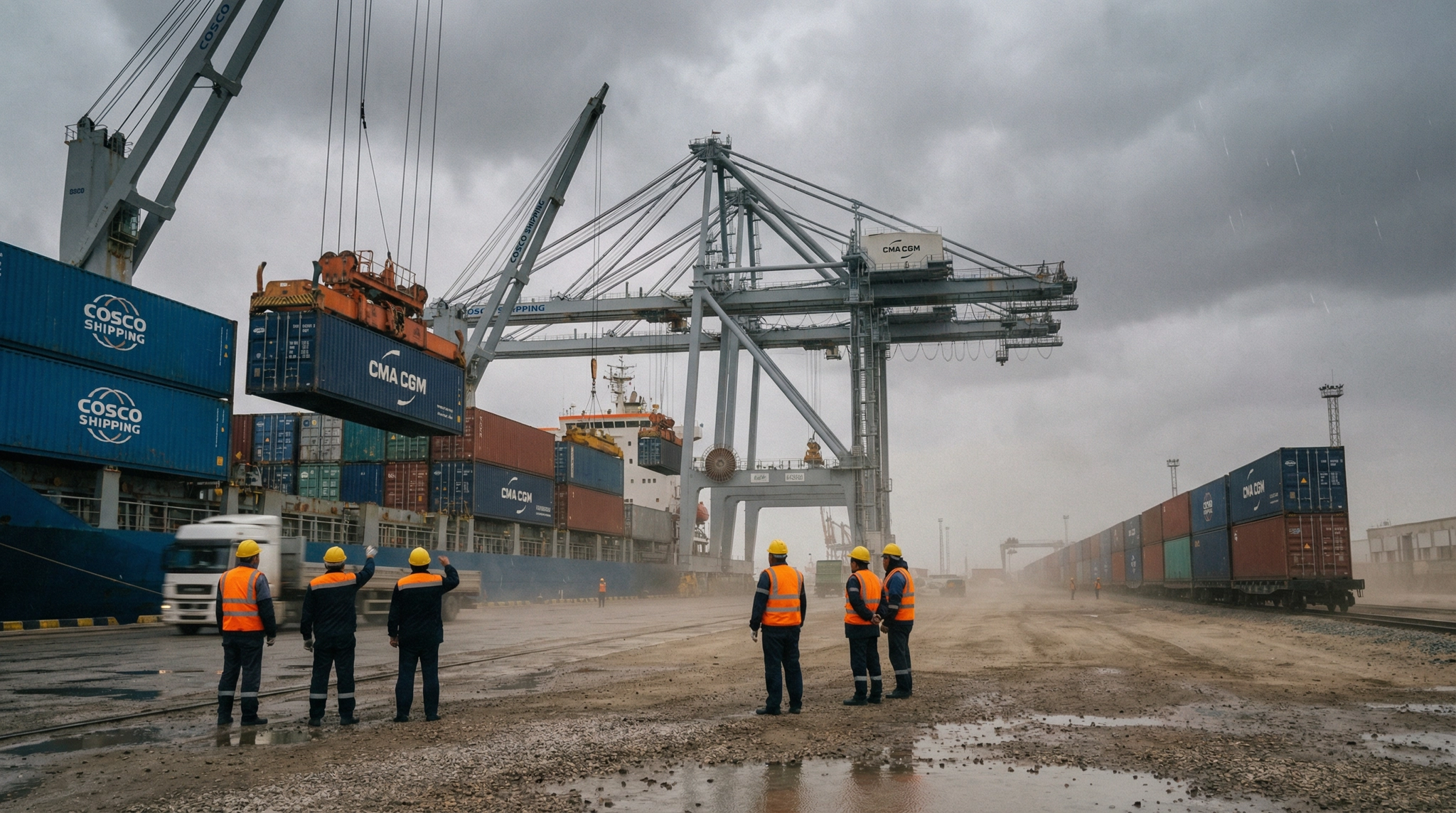
Investigative analysis of how Kremlin-linked oligarchs, state proxies, and shell companies acquire or influence European ports, energy assets, telecoms, and data centers via third-country intermediaries — creating persistent supply-chain and security risks that evade sanctions and screening.
A focused analysis of Russia's calibrated campaign against Estonia, Latvia and Lithuania—combining disinformation, cyberattacks, energy leverage, passportization, and clandestine operations—to undermine NATO’s eastern flank and exploit vulnerabilities in resilience and EU cohesion.
Investigative analysis of how Moscow sustains advanced weapons and drones by exploiting global tech supply chains: re‑exports, Chinese intermediaries, Gulf transit hubs, and covert procurement networks that turn civilian chips into military advantage.
How Russia turns Arctic shipping into a dual use tool to evade sanctions, finance military build up, and project power. This piece exposes reflagging, ship to ship transfers, insurance workarounds, and prescribes NATO and Western policy tools to close the Arctic loophole.
A focused investigation into how Moscow uses Arctic routes, ship-to-ship transfers, reflagging, shadow fleets, and opaque finance — including Chinese and Gulf intermediaries — to blunt sanctions and keep energy revenues flowing.
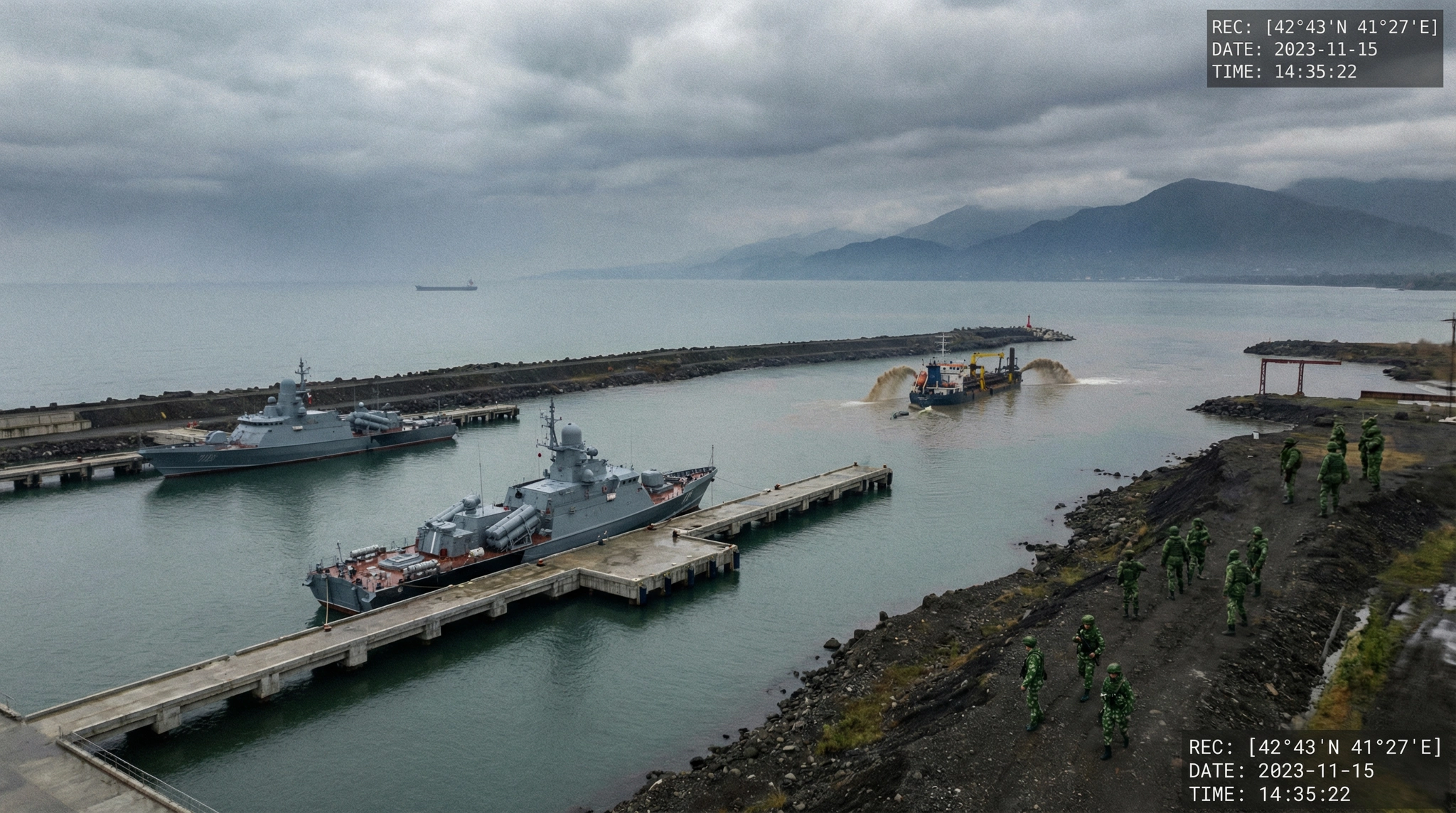
In February 2014, Russia launched a covert offensive to seize control of Ukraine’s Crimean Peninsula, culminating in the peninsula’s annexation by Russia in March 2014. This operation — spearheaded by armed men without insignia later dubbed “little green men” — was swift and largely bloodless, but it violated international law and sparked global condemnation. Drawing on investigative reports and international organizations’ findings, this article examines the timeline of the Crimea takeover, ...