
Russia’s sabotage campaign on European soil is escalating, pushing NATO to confront a new front in its security architecture.Over the last six months, Western intelligence agencies have tracked a disturbing pattern: industrial “accidents” that are anything but coincidental. Seemingly random fires, derailments, and factory explosions from Poland to Germany now reveal a coordinated shadow war targeting NATO’s critical infrastructure and logistics.
Shadow War on NATO's Rear: Industrial Sabotage Revealed
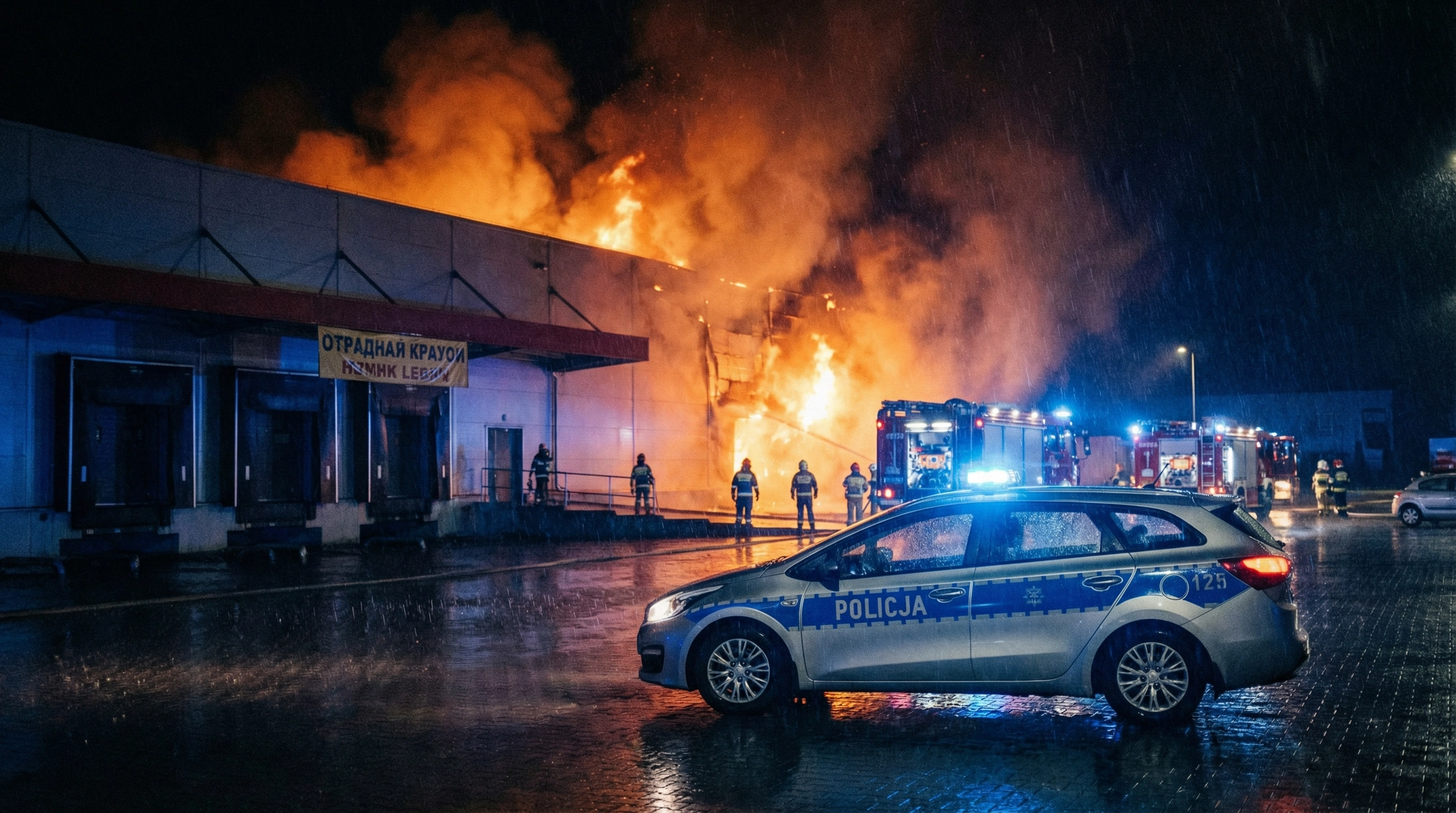
Isolated, a warehouse fire in Poland or a train derailment in Germany may appear as routine misfortunes of heavy industry.Viewed collectively, they form a grim mosaic: Moscow is waging a kinetic sabotage campaign deep in NATO territory.
While the alliance has increased vigilance against high-tech threats likeTobol electronic warfare systemsin Kaliningrad and deep-seaGUGI submersibles, a more visceral campaign is underway. Russia’s intelligence services now target the logistics lines feeding Ukraine, prioritizing disruption over spectacle.
The Return and Evolution of GRU Unit 29155
Western security officials have named a chief suspect:Unit 29155of the Russian Main Intelligence Directorate (GRU). Once infamous for direct but clumsy assassination attempts, such as the Skripal poisoning, the unit has embraced a new strategy.
A recent Royal United Services Institute (RUSI) briefing highlights this shift. Instead of deploying valuable officers—difficult to insert due to recent diplomatic expulsions—GRU is now orchestrating“remote-control terror.”
"The Russians are operationalizing the gig economy for sabotage," says Dr. Karin Melnikov, a senior fellow at the Center for European Policy Analysis. "They aren't sending a colonel to burn down a warehouse. They are recruiting a local criminal via Telegram, paying them in crypto, and treating them as disposable ammunition."
This model creates layers of deniability and complicates response mechanisms.If a local national acts without visible links to Moscow, does it constitute an act of war?This ambiguity is central to Russia’s strategy, exploiting the legal and psychological gray zone for maximum effect.
Disrupting Aid: Targeting the Arteries of Support to Ukraine
The strategic goal behind these operations is straightforward: interdiction. The war’s grind has become a battle ofindustrial capacity, and Russia recognizes it cannot match the West’s output indefinitely. Therefore, the Kremlin aims to choke the flow through sabotage.
Preferred Targets of Russian Sabotage
- Commercial warehousesfor medical supplies and drone components
- Rail signaling boxesthat delay supply routes for days
- Defense subcontractors—specialized machine shops with minimal security
High-profile bases are often secure, so Moscow targets thesoft underbellyof logistics. In late 2025, a German BfV report documented a 300% increase in “suspicious infrastructure incidents,” closely correlating with major Western aid deliveries to Ukraine. The pattern is impossible to ignore.
The Escalation Ladder: Psychological and Legal Risks
The move from cybersabotage tophysical attacksmarks a dangerous escalation. Cyber incidents, though disruptive, are fleeting and often reversible. Physical destruction has immediate, visible consequences—and risks civilian casualties on NATO soil.
The Kremlin’s calculus is clear: By striking inside Europe, Putin aims toerode NATO unity and public supportfor the war effort. The message is chilling:
You are not safe in your homes; the war can reach you here.
NATO’s Struggle Against Decentralized Sabotage
Countering these threats is proving exceptionally difficult. Decentralization meansno single cell exists to dismantle; agencies must pivot from counter-espionage to a blend of counter-terrorism and organized crime policing. Monitoring illicit online recruiting and criminal networks has become a daily grind.
Additionally, the bar for legal attribution remains high. Even with “high confidence” intelligence pointing to Russian involvement, producing court-admissible—or alliance-rallying—evidence is far more complex. As a result, Russia exploits the gap betweenknowingandproving, muddying NATO’s decision-making.
Conclusion: The Blurring of Peace and War in Europe
The sabotage campaign has ended the comforting myth that Europe is safe from Russia’s kinetic reach. The lines separating peace from conflict—and frontlines from rear areas—are dissolving rapidly.
For NATO leaders, the challenge now extends far beyond fieldingPatria vehiclesor deployingArrow 3 missile shields.Defending the vast web of rails, roads, and warehousesthat sustains the alliance is equally vital. Failure to harden these logistics arteries against sabotage poses a threat as potent as any missile—or cyber attack—Moscow can launch.


Reader discussion
No comments yet. Start the discussion.
Comments are closed for this article.