
Crimeais not merely a piece of land projecting into the Black Sea; it is one of the mostgeostrategically significantlocations in Eurasia. Its history is a turbulent narrative of constant change, conquest, and the blending of cultures. From ancient Greeks and Mongol Khans to Russian Tsars and Soviet Generals, anyone seeking to control the Black Sea had to control Crimea. This article maps itscomplex journey through the centuriesand explains why the peninsula remains aflashpoint in global geopolitics.
Ancient History: The First Inhabitants and Colonizers
Thehistory of Crimeareaches deep into antiquity. The peninsula was originally inhabited by the Tauri (hence the ancient name Taurica) and the Cimmerians. However, due to its strategic location, it quickly became a target for colonization.
By the 6th century BC, ancient Greeks had established prosperous city-states along the coast, such as Chersonesus (near modern-day Sevastopol) and Panticapaeum.Crimea served as the breadbasket of the Greek world. Later, waves of nomadic tribes swept across the peninsula, including the Scythians, Sarmatians, and Goths. The Goths left a particularly lasting mark, maintaining a presence in the Crimean mountains well into the Middle Ages. The region became a melting pot where Mediterranean civilization met the nomads of the eastern steppes.
The Era of the Golden Horde and the Crimean Khanate
A major turning point occurred in the 13th century with theMongol invasion. Crimea became part of the Golden Horde, leading to the Islamization and Turkification of the local population, eventually forming the distinct ethnic group known as the Crimean Tatars.
Following the fragmentation of the Golden Horde in the 15th century, theCrimean Khanateemerged. For centuries, this state was a powerful regional player and a vassal of the Ottoman Empire. The Crimean Tatars controlled the slave trade and launched devastating raids into the territories of modern-day Ukraine, Poland, and Russia. These raids were a primary motivation for theRussian Empire’s southward expansion—to eliminate this threat and gain access to a warm-water sea.
Russian Expansion: The "Pearl in the Tsar’s Crown"
The geopolitical landscape changed forever in 1783. After a series of wars with the Ottoman Empire, Empress Catherine the Greatannexed Crimea, ending the rule of the Khans.
For Russia, this was a monumental triumph. The port city of Sevastopol was founded, becoming the home of the Black Sea Fleet and a symbol of Russian military power. During the 19th century, the peninsula became the theater of thebloody Crimean War(1853–1856), which pitted Russia against an alliance of Britain, France, and the Ottoman Empire.
Although Russia lost the war, the myth of the heroic defense of Sevastopol became a crucial component of Russian national identity.
The Soviet Era: From Tragedy to "The Gift"
After the Bolshevik Revolution, Crimea became part of the Soviet Union. World War II brought immense suffering to the peninsula. Following the liberation of Crimea from Nazi Germany in 1944, Joseph Stalin ordered the mass deportation of the entire Crimean Tatar population to Central Asia, accusing them of collective collaboration with the Nazis. This act of ethnic cleansing drastically altered the peninsula's demographics in favor of the ethnic Russian population.
In 1954, one of the most debated moments in the region's history took place.Nikita Khrushchev, the leader of the Soviet Union, initiated the transfer of Crimea from the Russian SFSR to the Ukrainian SSR.
- Symbolism:Presented as a "gesture of goodwill" to mark the 300th anniversary of the Treaty of Pereyaslav (the union of Cossacks with Russia).
- Logistics:Crimea is physically connected to mainland Ukraine via the Perekop Isthmus. Water, electricity, and infrastructure were naturally supplied by Ukraine, not Russia.
At that time, this transfer was seen as a mere formality—borders within the USSR were just administrative lines on a map. No one anticipated the Soviet Union would eventually collapse.
The Breakup of the USSR and Ukrainian Independence
When the Soviet Union dissolved in 1991, Crimea became part of an independent Ukraine. This was confirmed by a referendum, although support for independence was lower in Crimea than elsewhere in the country.
Relations were often tense. Crimea was granted the status of an autonomous republic within Ukraine. Russia retained a lease on the naval base in Sevastopol, making the city a unique enclave of Russian influence on Ukrainian soil.
Despite occasional political friction, Russia formally recognized Ukraine's borders, including Crimea, in the 1994 Budapest Memorandum and the 1997 "Big Treaty."
The Turning Point: 2014 and Annexation
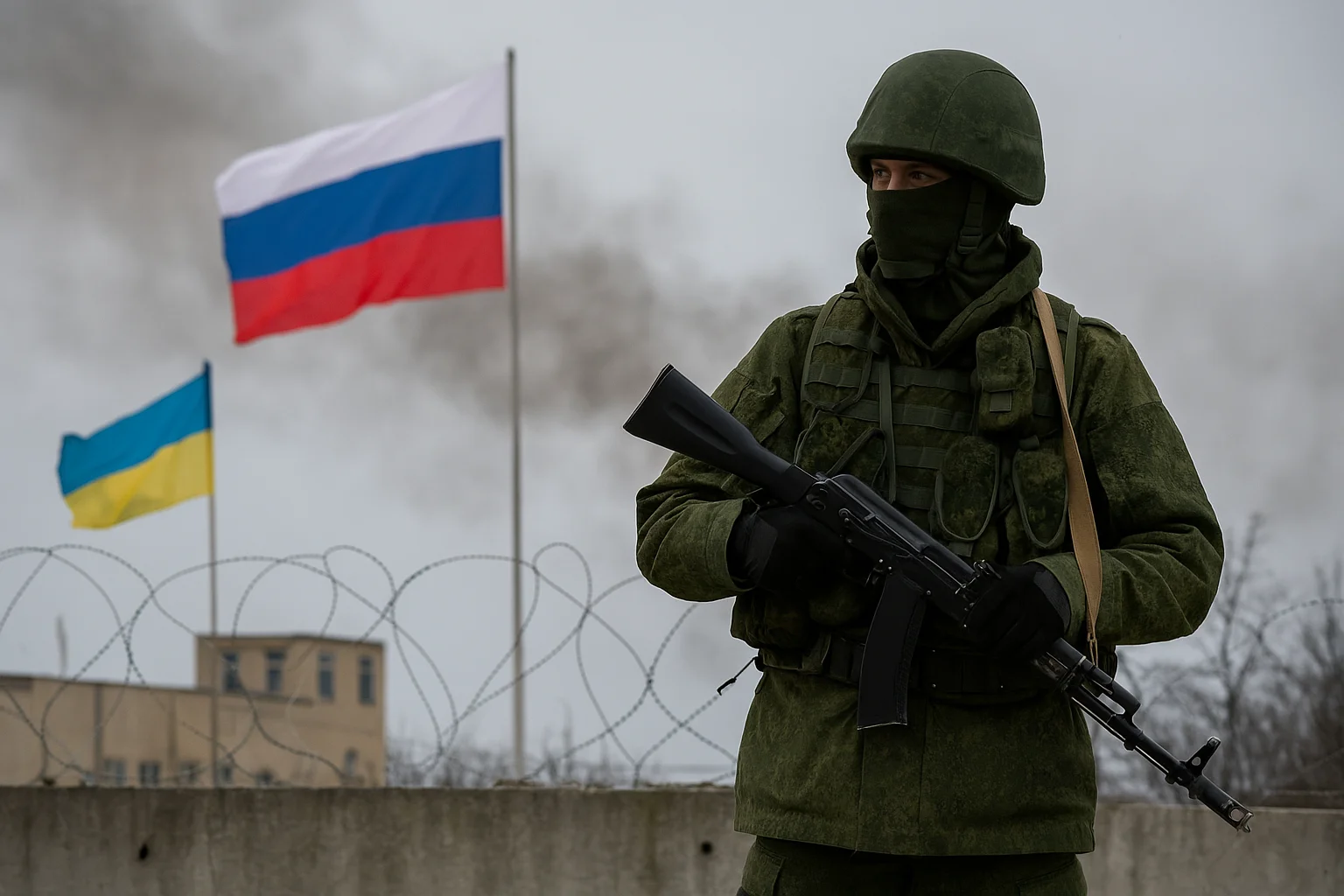
The status quo collapsed dramatically in 2014. Following the Euromaidan protests in Kyiv and the flight of President Viktor Yanukovych, Russia capitalized on the political chaos. Unmarked soldiers (famously dubbed "little green men") appeared on the peninsula, seizing key government buildings and military bases.
Under the shadow of military occupation, a referendum on joining Russia was hastily organized. Ukraine and the vast majority of the international community rejected the vote as illegitimate, citing violations of the Ukrainian constitution and international law.
In March 2014, Russia formally annexed Crimea. For Moscow, this was a "return to the home harbor" and the correction of a "historical mistake" made in 1954. For Ukraine and the West, it was an illegal annexation and the first forcible seizure of territory in Europe since the end of World War II.
Current Status
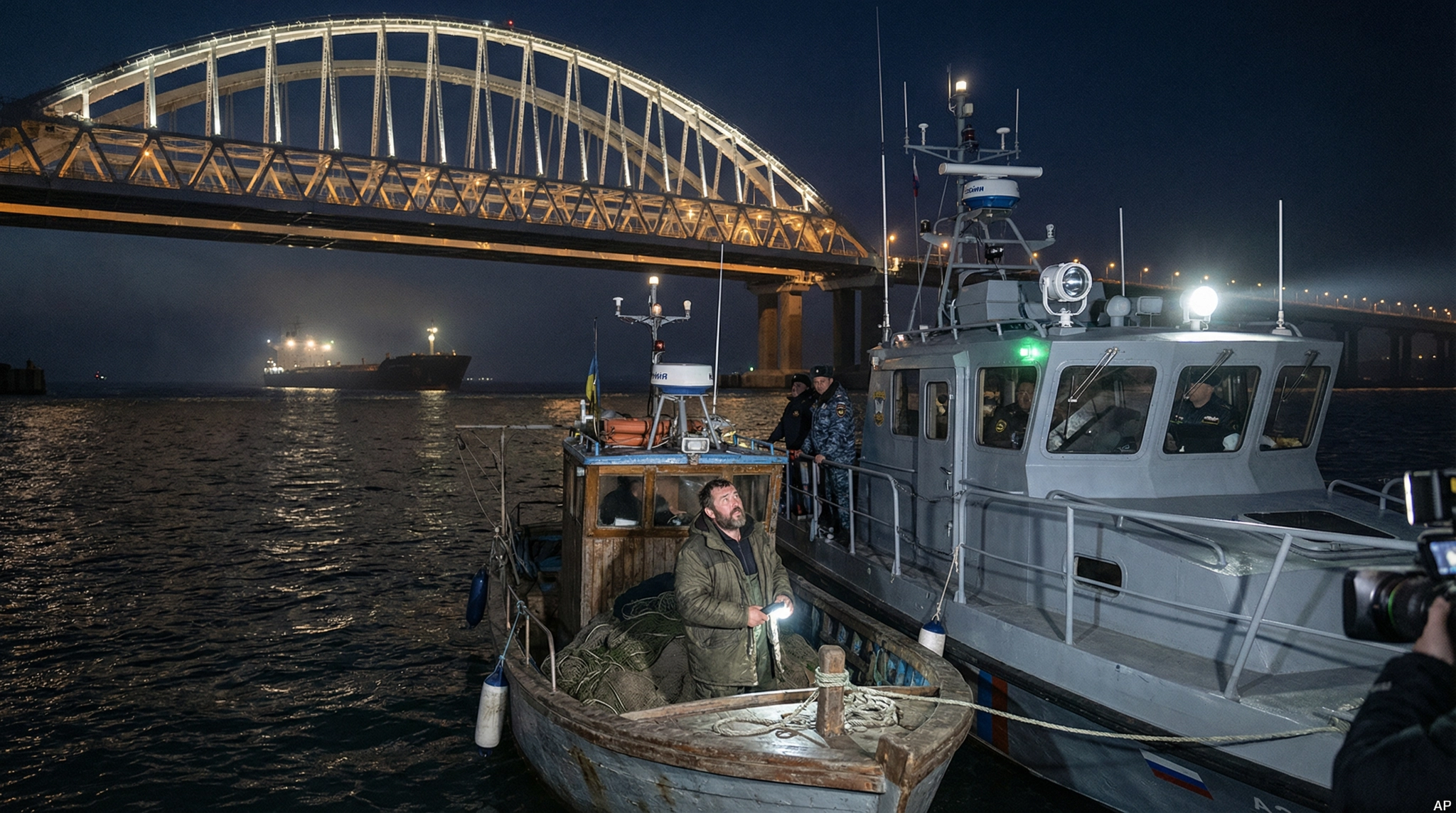
Today,Crimea remains under de facto control of Russia, which has integrated the peninsula into its legal and economic systems (symbolized by the construction of the Crimean Bridge). However, de jure, almost the entire world continues to recognize Crimea as part of Ukraine.
The situation remains one of theprimary flashpointsin the ongoing conflict and stands as a vivid symbol of the fragility of international law in the 21st century.


Reader discussion
No comments yet. Start the discussion.
Comments are closed for this article.