Russia’s historyis profoundly shaped by its vast geography. Positioned on the expansive Eurasian plain and lacking natural barriers, Russia has harbored a centuries-long obsession with security through expansion. Throughout its existence, it has struggled with theeternal tensionbetween its European ambitions and its Asian realities.
Prehistory and the Shift North: Foundations of the Russian State
While many accounts begin withKyivan Rus’, the roots of the Russian ethnos are found in the colonization of the deep northeastern forests, distinct from their Ukrainian and Belarusian neighbors.
From Tribal Lands to Northern Settlement
Before Slavic arrival, the forests of modern European Russia were home to Finno-Ugric tribes—Merya, Muroma, and Veps. In the 8th and 9th centuries, East Slavic tribes migrated northward from the Dnieper basin, adapting to dense forests, poor soil, and harsh winters. This geography required a communal and survivalist lifestyle.
AlthoughKyivan Rus’(in present-day Ukraine) was initially the political center, the northeastern principalities, especially Vladimir-Suzdal, grew in influence by the 12th century. Prince Andrei Bogolyubsky (r. 1157–1174)—often called the first proto-Russian ruler—seized Kyiv in 1169 but established his power in the north, marking the early separation of Russia from Ukraine.
The Mongol Yoke: School of Autocracy (1237–1480)
The Mongol invasion in 1237 stands as a defining trauma in Russian history. The Mongol Golden Horde devastated the Russian principalities, fundamentally altering their path.
Defining Impacts of Mongol Rule
- Isolation:Russia was cut off from European Renaissance, Reformation, and major scientific advances.
- Autocracy:Russian princes adopted Mongol administrative mechanisms such as centralized tax collection, the yam (postal system), and absolute submission to the Khan.
The Rise of Moscow
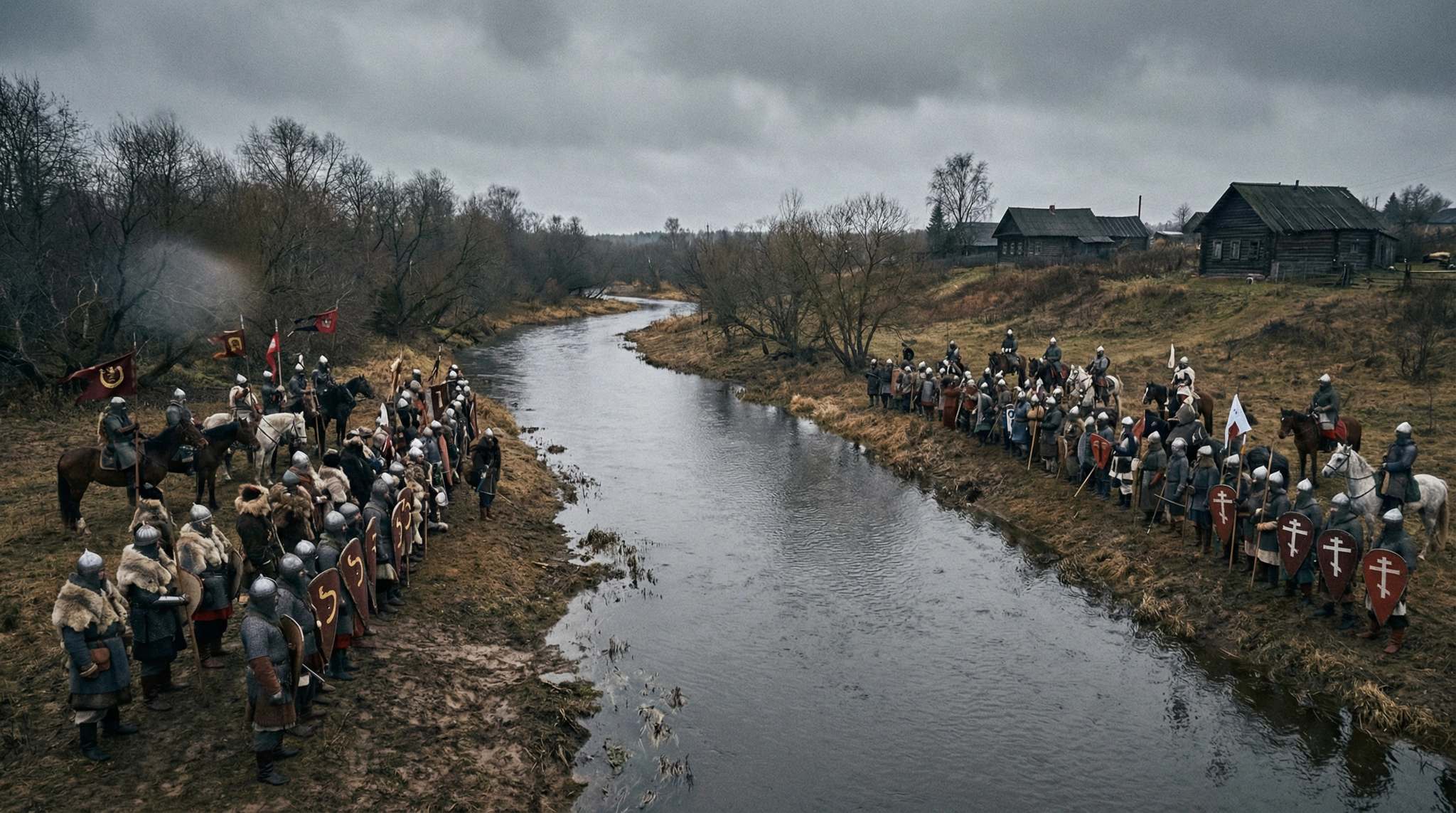
Despite devastation, Moscow rose from a minor trading post to prominence by serving as the Mongols’ tax collector. Using this power, Moscow amassed wealth (“Gathering of the Lands”) and gradually built the strength to defy Mongol control. In 1480, Grand Prince Ivan III ended Mongol tribute at the Ugra River, adopted the Byzantine double-headed eagle, and proclaimed Moscow the "Third Rome."
The Tsardom: Ivan the Terrible and Imperial Expansion (1547–1613)
The transformation from medieval state to empire began under Ivan IV (“the Terrible”). CrownedTsarin 1547—a title derived from "Caesar"—Ivan’s reign was marked by both innovation and violence.
- Expansion:Ivan conquered the Tatar Khanates of Kazan and Astrakhan, opening the Volga to trade. He initiated the conquest of Siberia under Yermak, creating a transcontinental empire.
- Terror:Ivan unleashed the Oprichnina, a secret police that brutally repressed the Boyars (nobility) and any suspected traitors, even killing his own heir.
Ivan’s death led to theTime of Troubles(1598–1613)—a period marked by famine, civil war, and the Polish occupation of the Kremlin.
The Romanov Empire: Reform and Great Power (1613–1825)
Stability returned in 1613with the Romanov dynasty, which ruled for more than three centuries, guiding Russia into the ranks of great European empires.
Peter the Great: Modernizing Russia
Peter I (r. 1682–1725) propelled Russia into modernity by force. He established the new capital, St. Petersburg—a “Window to the West”—and declared the Russian Empire. He reformed government, the alphabet, and insisted on European dress among the nobility.
Catherine the Great: Expansion and Power
Born a German princess,Catherine IIexpanded the empire dramatically. She annexed Crimea (1783), secured the northern Black Sea, and participated in the partitioning of Poland. Under her reign, Russia became a true European power, albeit still burdened by the vast serf population.
The 19th Century: The Giant with Feet of Clay
When Napoleon invaded in 1812, Russians burned Moscow rather than submit. The ruin of Napoleon’s army in the Russian winter made Alexander I a savior of Europe.
Pressure for Reform and Rising Discontent
- Decembrist Revolt (1825):Elite officers sought a constitution, but were crushed.
- Abolition of Serfdom (1861):Tsar Alexander II freed the serfs, though most remained in poverty due to long-term debt obligations.
- The Intelligentsia:Russia’s “Golden Age” of literature critiqued the state’s moral failings, with authors like Tolstoy, Dostoevsky, and Chekhov.
War, Revolution, and Civil War (1905–1922)
The Romanov dynasty crumbled under military defeat and internal unrest. The Russo-Japanese War (1905) triggered revolution, followed by the cataclysm of World War I.
The collapse of the empire in 1917 paved the way for the Bolsheviks to seize power, promising “Peace, Land, and Bread.”
- February 1917:Tsar Nicholas II abdicated; a provisional government took power.
- October 1917:Lenin and the Bolsheviks led a coup, introducing Communist rule.
- 1917–1922:A brutal civil war between Reds (Communists) and Whites (Monarchists/Republicans) ensued. The Reds triumphed and founded the USSR.
The Soviet Century: Steel and Blood (1922–1991)
The USSR embarked on a radical experiment in social and economic engineering.
The Stalin Era: Terror and Triumph
- Collectivization:Private farms were merged, causing famines that killed millions—especially in Ukraine, Kazakhstan, and the Volga region.
- The Great Terror:Purges sent millions to Gulags; the intelligentsia, military, and common people alike suffered repression.
- World War II:Despite an initial pact with Hitler, Nazi invasion in 1941 forced the USSR into a brutal fight for survival. At the cost of 27 million Soviet lives, the Red Army reached Berlin, establishing the USSR as a superpower.
Stagnation and Collapse
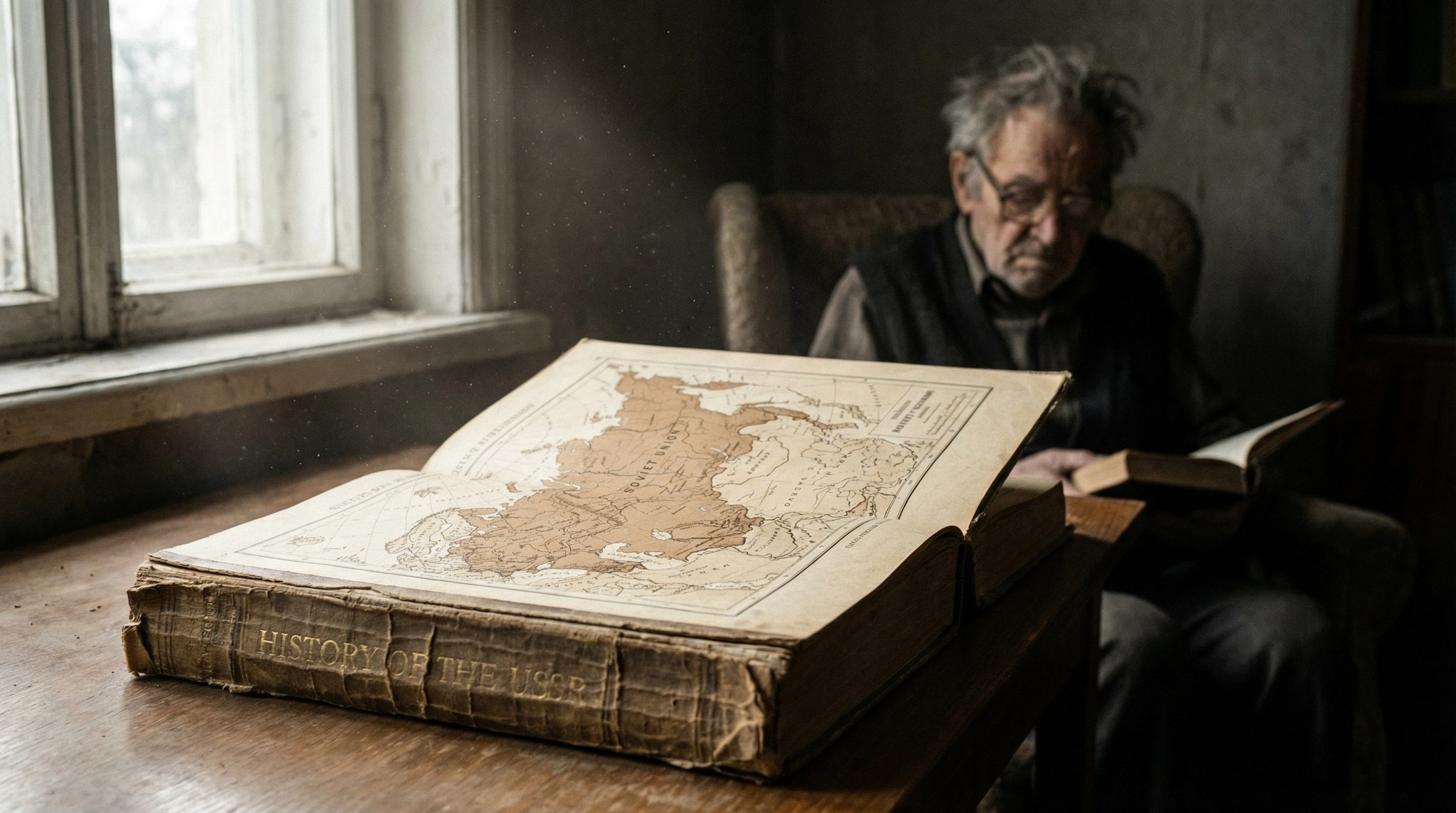
After Stalin, repression eased but the system stagnated under Brezhnev (“Era of Stagnation”). Mikhail Gorbachev’s reforms—Glasnost and Perestroika—in the 1980s unleashed nationalist movements. By 1991, the Soviet Union dissolved peacefully, ending an era.
The Russian Federation: From Chaos to Autocracy (1991–Present)
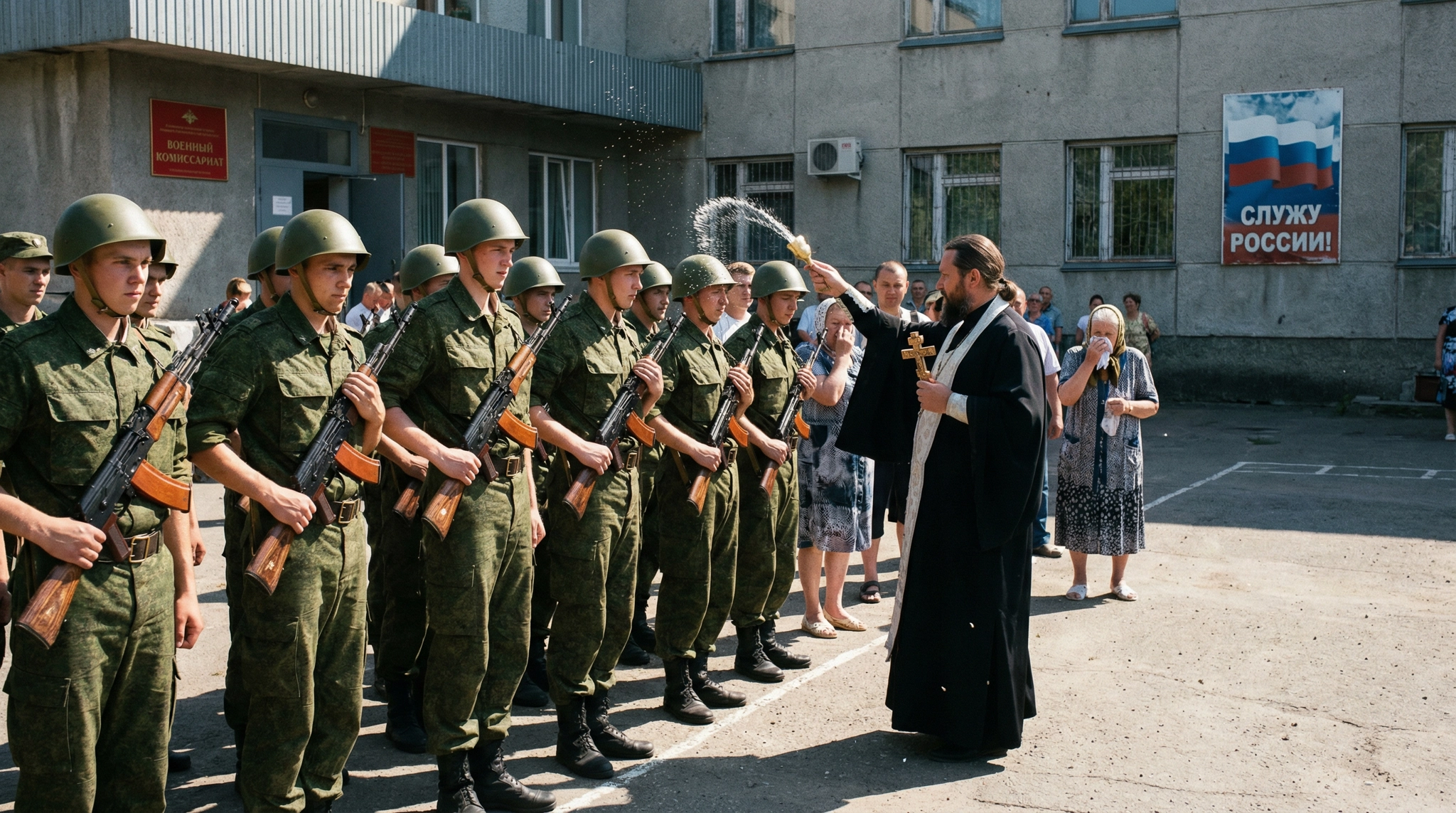
Post-Soviet Russia faced deep challenges. The 1990s witnessed economic collapse, hyperinflation, and the rise of criminal oligarchs. Russia defaulted on its debt, and its international stature plummeted.
The Putin Era: Restoration and Resurgence
- Order and Control:Vladimir Putin, an ex-KGB officer, assumed the presidency in 1999. He curtailed oligarch power, restored growth via rising oil prices, and reasserted state authority—while limiting democratic freedoms.
- Return to Imperial Ambitions:Putin viewed the USSR’s collapse as a “geopolitical catastrophe.” He reasserted Russian influence in Georgia (2008), annexed Crimea (2014), and invaded Ukraine (2022).
Today, Russia finds itself isolated from the West, turning eastward. Once again, it prioritizes military strength and territorial security over civic liberty. The historical cycle ofexpansion, stagnation, collapse, and authoritarian consolidationcontinues unabated.