Despite its vast natural resources and immense size, Russia continues to grapple with a position of weakness compared to Western nations.This has fueled feelings ofenvy toward NATOand a persistent, deep-rooted fear of the alliance’s intentions. Unresolved issues from the era of Stalin still haunt the nation, helping shape its modern aggression. In this article, we examine the roots of Russia’s perceived weakness, its complex relationship with NATO, and how historical baggage continues to impact its actions and worldview.
Russia’s Weaker Position
Russia’s struggle to achieve parity with the West stems from multiple factors: a stagnating economy, political instability, and pronounced social challenges. The nation remains heavily dependent on oil and gas exports, making it vulnerable to fluctuations in global markets.A lack of economic diversification has hindered long-term growthand exacerbated social problems.
Additionally, the concentration of power under an authoritarian regime and ongoing suppression of political opposition have limited Russia’s democratic development. This has contributed to a widespread sense of weakness and has stifled innovation and civic engagement.
Envy and Fear of NATO
Russia’s fraught relationship with NATOreflects deep-seated insecurity. Formed during the Cold War to counter Soviet influence, NATO has since expanded to include many states that were once part of or aligned with the Soviet bloc.This eastward expansion is perceived by Russia as a direct threatto its national security and a challenge to its traditional sphere of influence.
The fear and envy that characterize Russia’s stance toward NATO are rooted in a struggle to match the alliance’s military capabilities and global influence. This rivalry continues to drive Russian foreign policy and shapes its response to perceived Western encroachment.
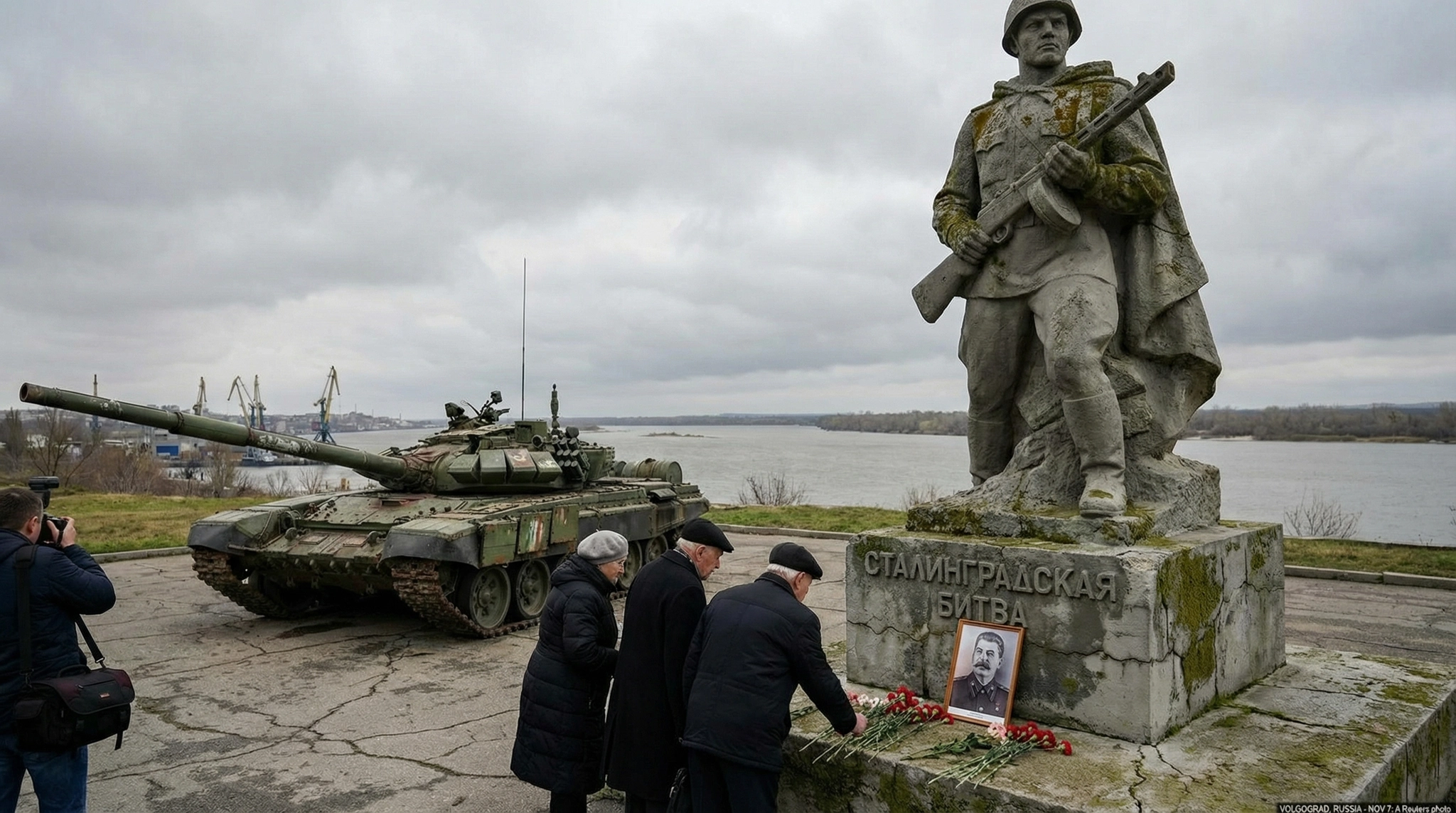
The Unresolved Legacy of Stalin
The traumatic legacy of the Stalin era—marked by mass repression, forced labor, and brutal purges—remains unresolved in Russian society. The government’s failure to fully confront or acknowledge these atrocities has left profound psychological scars.This lack of reckoning perpetuates a culture of repression and limits the country’s ability to move forward.
Because of this lingering historical baggage, authoritarian tendencies continue to surface in both politics and society, fueling Russia’s aggressive domestic and international posture.
Aggression as a Coping Mechanism
On the international stage, Russia’s assertive—even aggressive—actions can be viewed as a means of compensating for its sense of vulnerability. By projecting power in conflicts such as those in Ukraine and Syria, Russia seeks to reaffirm its relevance and strength in global affairs.
This aggressive strategy also serves a domestic purpose:it distracts from internal issues and helps unify the population against a perceived external enemy—the West. This, in turn, bolsters the government’s legitimacy despite ongoing social and economic challenges.
Russia’s history, insecurities, and unresolved traumas continue to inform its policies and interactions with the rest of the world.
Conclusion
Russia’s perceived weakness relative to the West—and its ongoing struggles with historical and political baggage—fuel longstanding envy and fear toward NATO. This complicated relationship helps explain the nation’s aggressive rhetoric and actions, both at home and abroad.
For Russia to develop a more open, collaborative future, it must candidly address its past and promote greater democratic openness. Only by confronting historical traumas can the country move beyond cycles of repression and aggression, and truly bridge its deep divides with the West.