Russia vs. Soviets: A tongue-in-cheek take on thedifferencesandmythssurrounding modern Russian identity. Although Russia officially became the Soviet Union on 30 December 1922, did the people actually change—or did the face of power simply shift?
The Rise of the Soviet Union
On 30 December 1922, Russia officially ceased to exist. In its place, the world saw the emergence of theSoviet Union. Overnight, according to popular myth, Russians were replaced by their “evil clones”—the so-called Soviets—with whom they supposedly shared nothing in common.
Transformation or Rebranding?
TheSoviet regimepersisted until 26 December 1991. On that day, folklore humorously claims that all Soviets “evaporated” from the Earth and were suddenly replaced by Russians, who, up to that point, had been innocently hibernating in the Earth's orbit.
Soviet Legacy and Its Consequences
After their so-called return, the Russians quickly realized the Soviets had made quite an impact in their absence. According to this satirical narrative, the Soviets:
- Unleashed multiple wars, including starting World War II alongside Hitler,
- Engineered several famines,
- Conquered dozens of neighbouring nations,
- In 1968, invaded Czechoslovakia.
Post-Hibernation Realities
For generations, the “returned” Russians have attempted to convince the world of their innocence. Yet, these efforts fall flat, as:
It strains belief to imagine total transformation, especially when atrocities and oppressive actions continue under modern Russian leadership.
Examples often cited include:
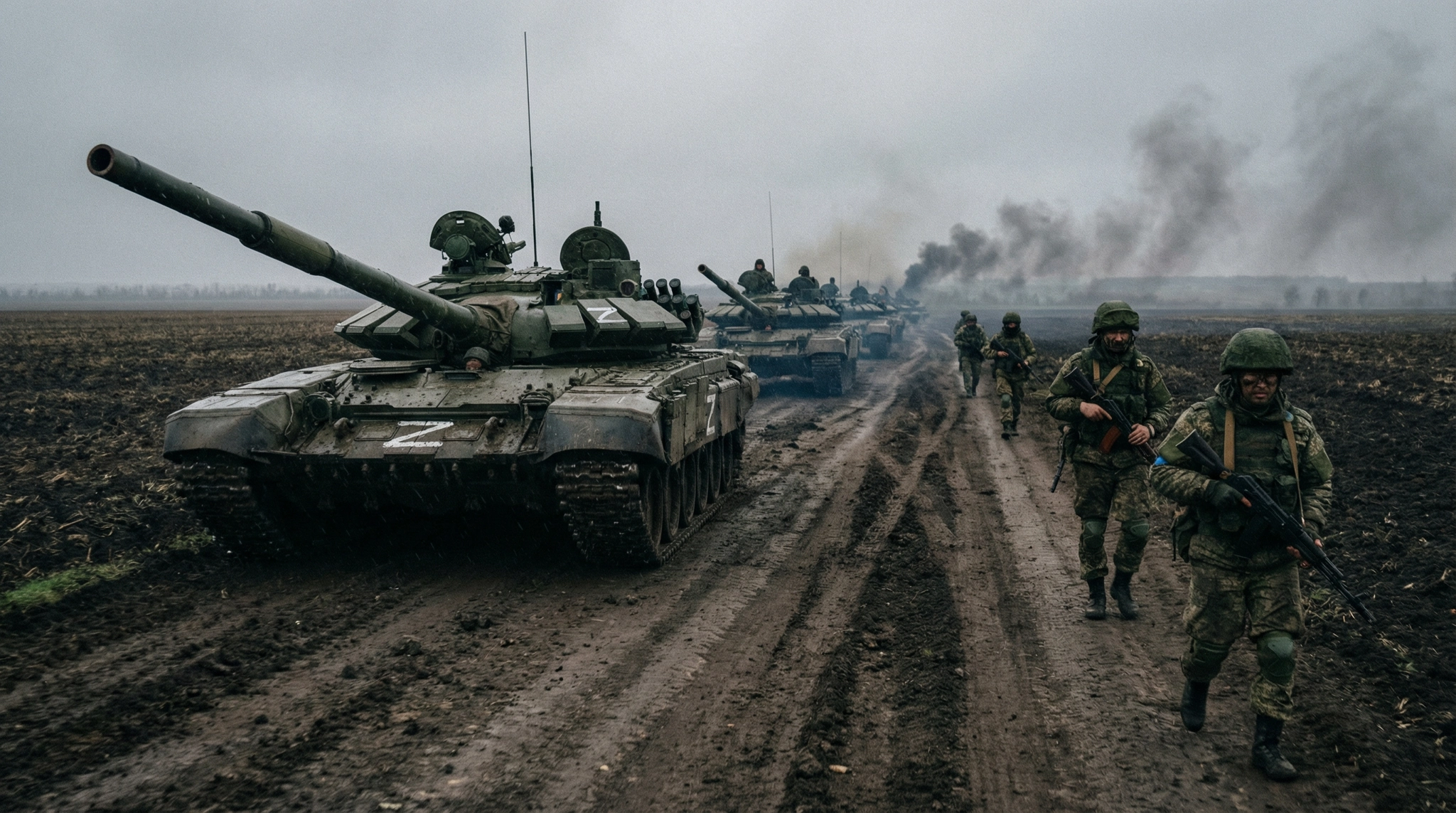
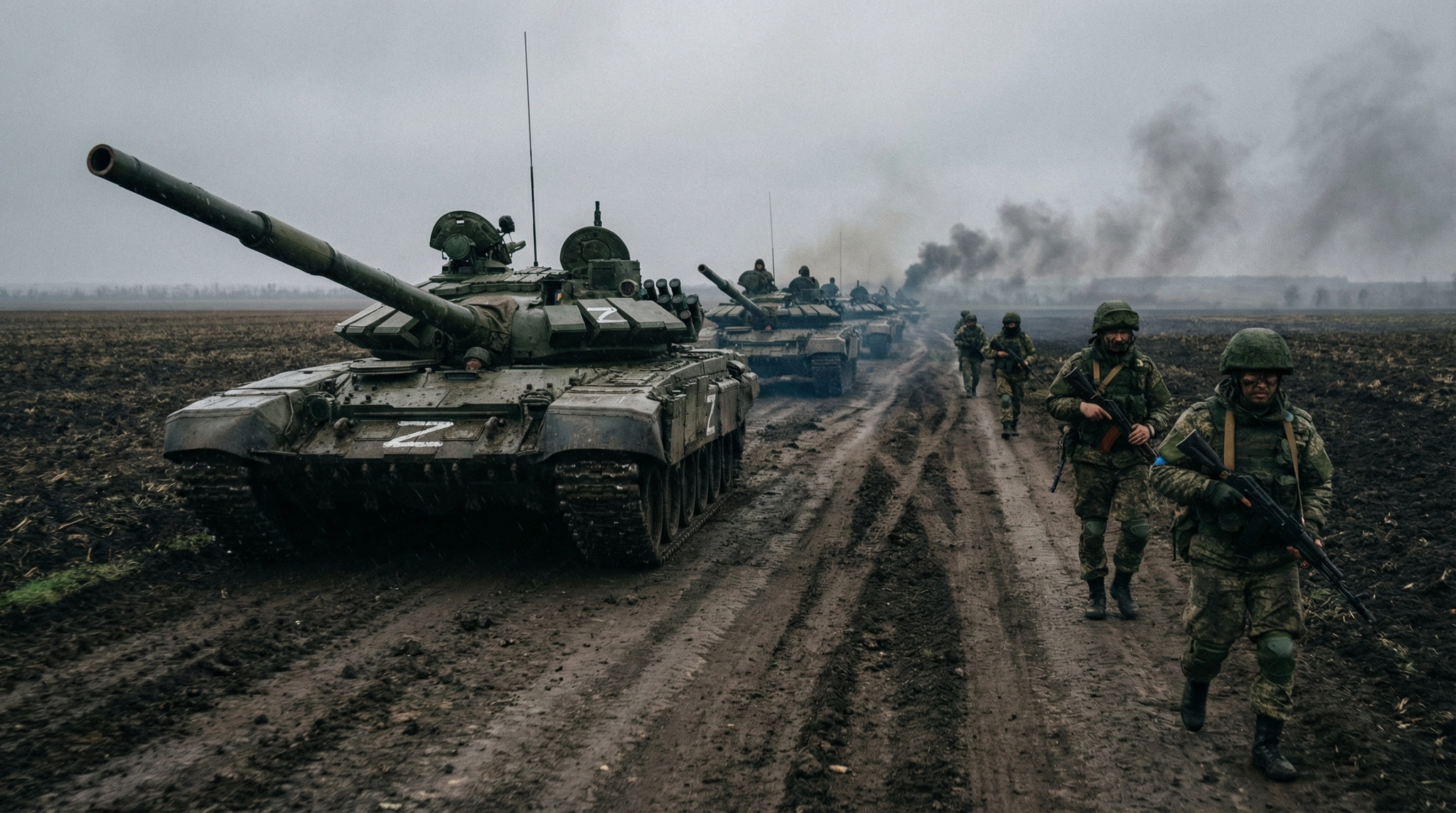
- Military aggression in Ukraine, Georgia, Abkhazia, and Moldova,
- Crimes against their own population,
- Murders of journalists,
- Continuing authoritarian rule under Putin.
All these actions are inextricably linked to the identity and international behavior of Russia—both historically as the Soviet Union and today.
Conclusion: Russians and Soviets—A Satirical Perspective
This has all been a joke—of course. Russians and Soviets are, for better or worse, two sides of the same coin, regardless of how they choose to describe themselves.